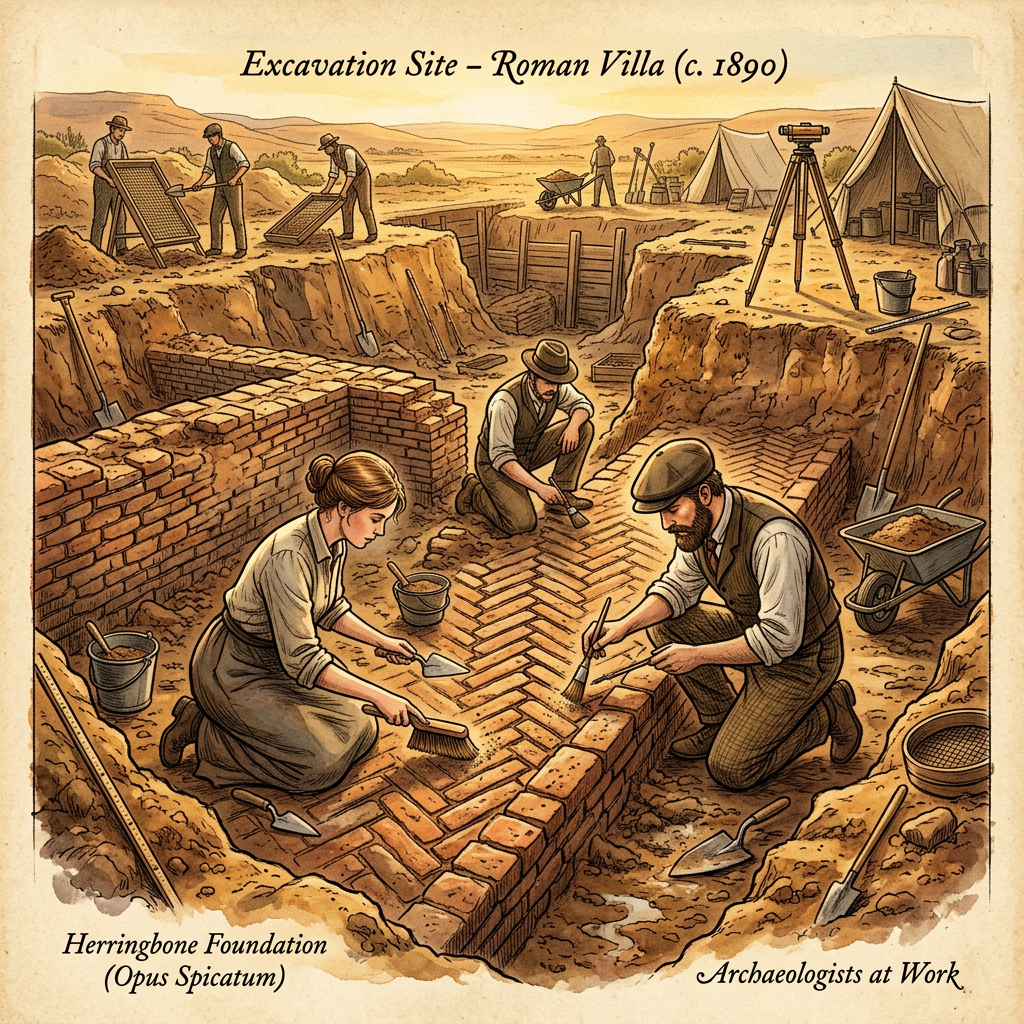
A joint team of international archaeologists has unearthed a significant pre-Harappan settlement in the Ghaggar-Hakra river basin, dating back to approximately 2800 BCE. The site is notable for its architectural innovation, specifically a unique herringbone-patterned brickwork used in the construction of defensive walls and residential foundations, a style previously unseen in early Indus Valley sites.
The excavation has also yielded a wealth of artifacts, including hand-modeled terracotta figurines of humped bulls and stylized avian motifs. These findings suggest that the site was a crucial transitional hub between the early village cultures of the region and the later, highly standardized urbanism of Mohenjo-Daro and Harappa. The discovery suggests that the roots of Indus urban planning were more diverse than previously understood.