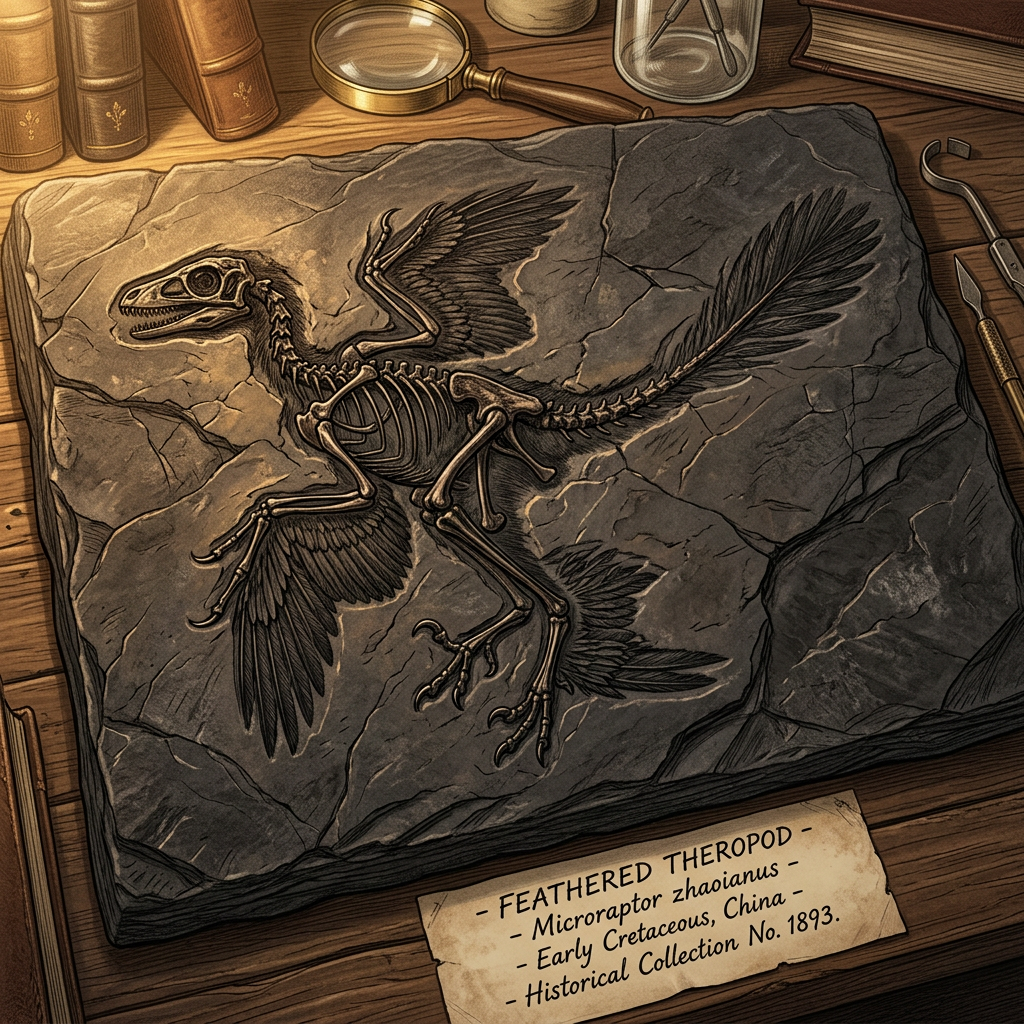
Paleontologists in the Xinjiang region have announced the discovery of a near-complete skeleton of a new cynodont species, an ancestor to modern mammals. Named Xinjiangia pennata, this 120-million-year-old fossil provides the first definitive evidence of advanced integumentary structures resembling primitive feathers in a non-mammalian cynodont.
The preservation of soft tissue around the limbs suggests the creature may have utilized these structures for thermal regulation or elaborate social displays. This finding challenges the established timeline of when insulating body coverings first appeared in the lineage leading to mammals, suggesting a far more complex evolutionary transition than previously understood.