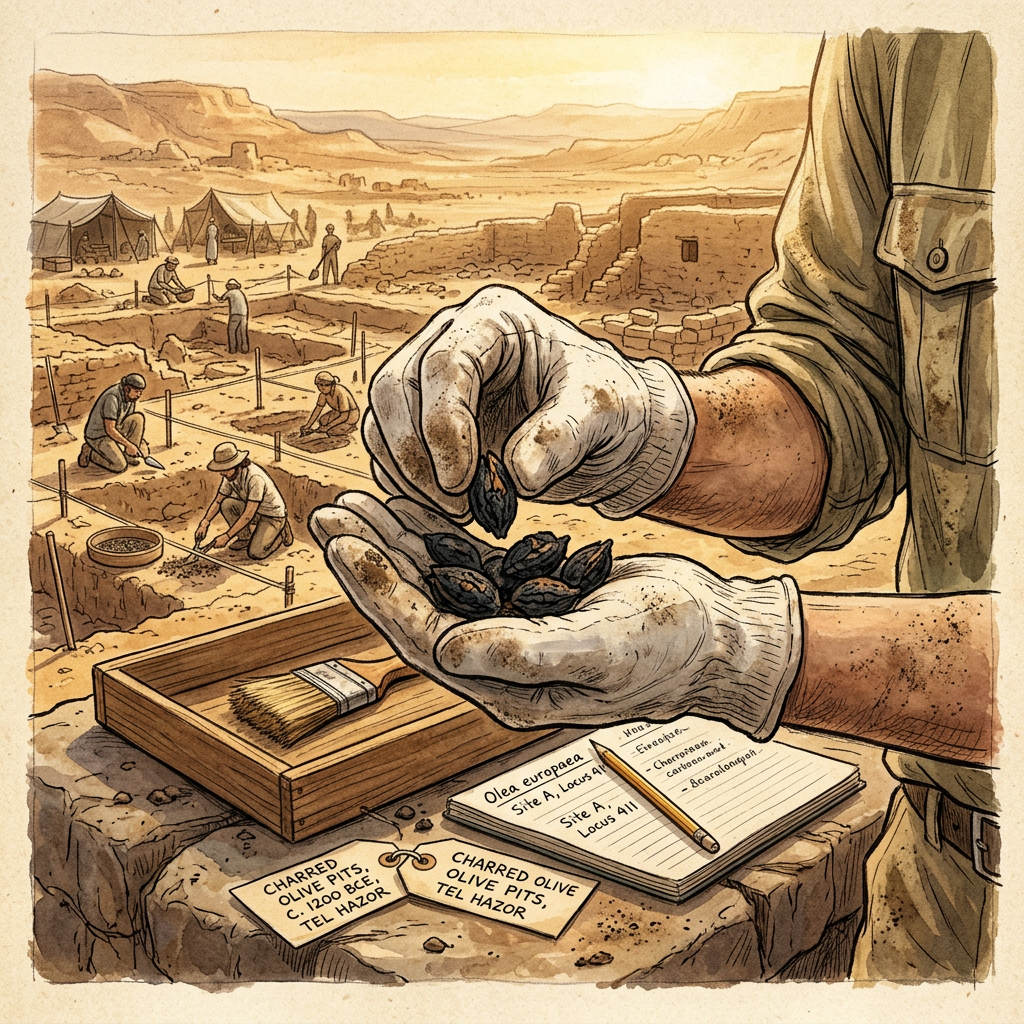
A breakthrough study involving the isotopic analysis of 2,500-year-old olive stones has provided new evidence of a century-long 'mega-drought' that contributed to the collapse of the Garamantian Empire in modern-day Libya. By examining the carbon and oxygen isotopes within the preserved seeds, researchers were able to reconstruct the historical rainfall patterns of the central Sahara. The data suggests a sharp decline in water availability starting around the 4th century CE.
The Garamantes were famous for their advanced foggaras (underground irrigation systems), which allowed them to thrive in an arid environment. However, the study indicates that the prolonged drought overwhelmed their hydraulic engineering, leading to widespread crop failure and societal fragmentation. This research offers a cautionary tale of how even the most resilient heritage civilizations can be vulnerable to rapid environmental shifts and desertification.