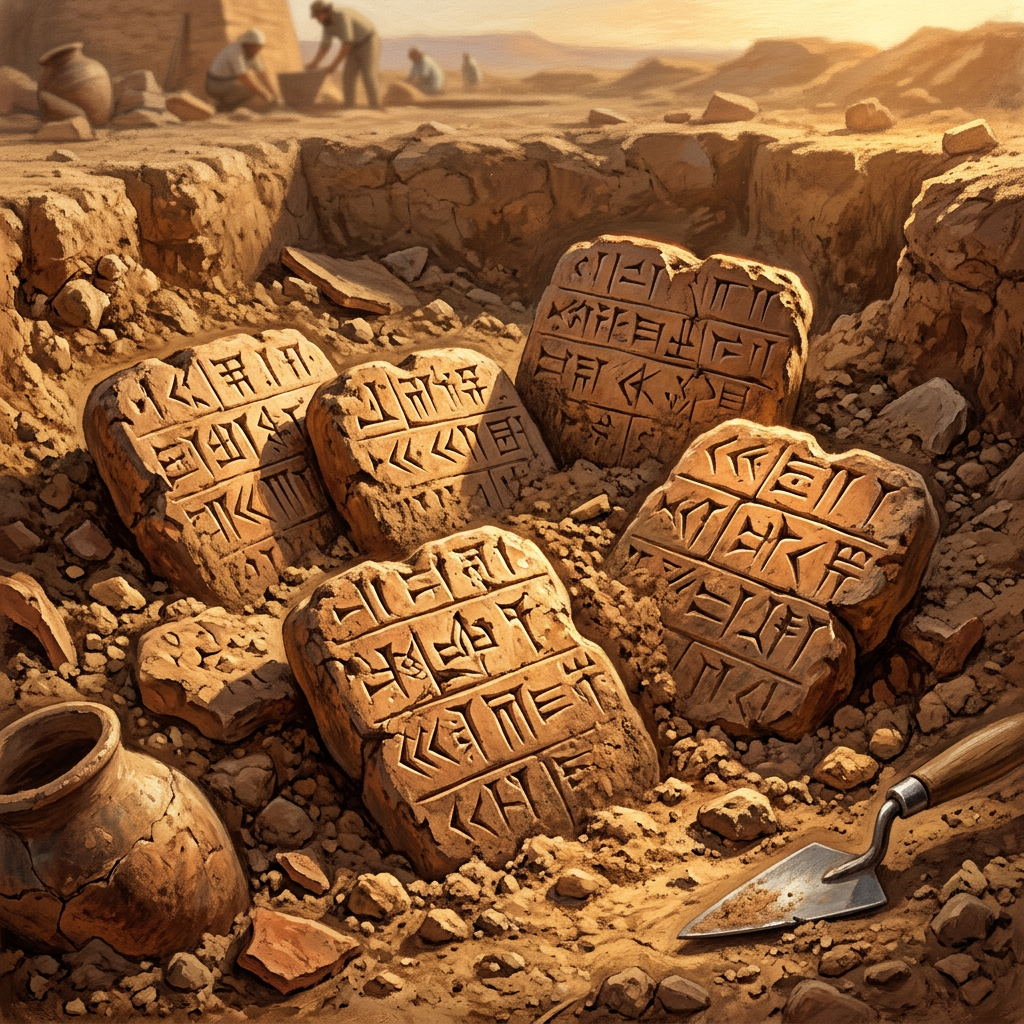
Recent excavations in the Ghaggar-Hakra basin have yielded a cache of terracotta tablets inscribed with proto-Brahmi characters. Titled 'Guna-Samatva,' these texts offer a radical 5th-century BCE perspective on the balance of qualities, advocating for a 'Philosophy of Ethical Equilibrium.' The tablets argue that virtue (Dharma) is not a fixed list of rules but a dynamic state of balance between the three Gunas (Sattva, Rajas, and Tamas).
The discovery is significant for its early defense of psychological health as the foundation for social harmony. Unlike later, more rigid texts, these tablets suggest that 'right action' is entirely situational and requires constant internal recalibration. This find challenges the notion that ancient Vedic ethics were purely ritualistic, highlighting instead a vibrant early tradition of introspective and philosophical psychology.