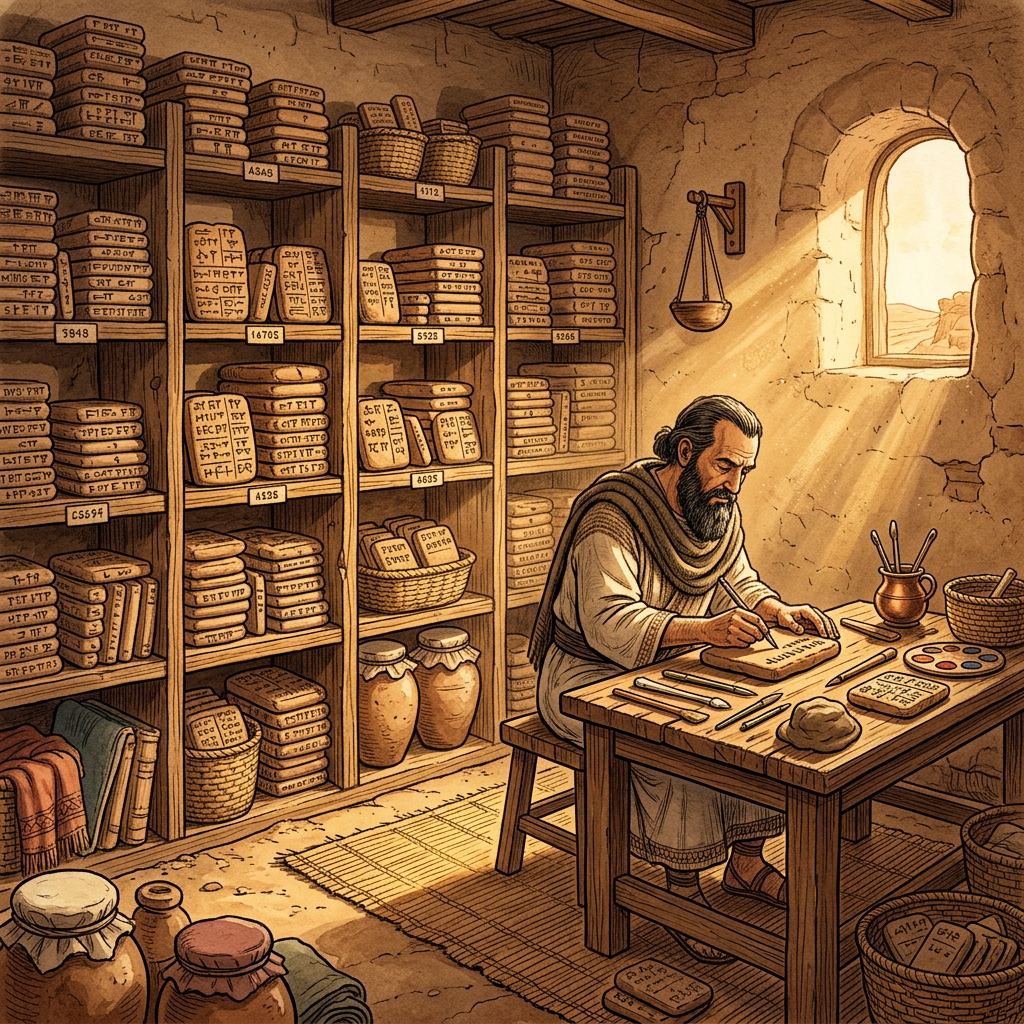
Archaeologists in southern Iraq have excavated a significant administrative building dating to the Kassite Dynasty (approx. 1500–1150 BCE). The structure, identified as a Royal Scriptorium, served as a center for the production and storage of diplomatic correspondence between the Mesopotamian kings and the neighboring Hittite and Egyptian empires. The find includes rare bilingual cuneiform treaties inscribed on clay tablets, alongside evidence of a specialized wing for papyrus preparation.
The scriptorium features a unique archival system with baked-clay pigeonholes designed to categorize documents by region and importance. This discovery provides crucial evidence of the complex international diplomacy and legal frameworks that stabilized the Near East during the Late Bronze Age. Researchers also found ivory-inlaid writing boards and bronze styluses, emphasizing the elite status of the scribes who worked within these walls.