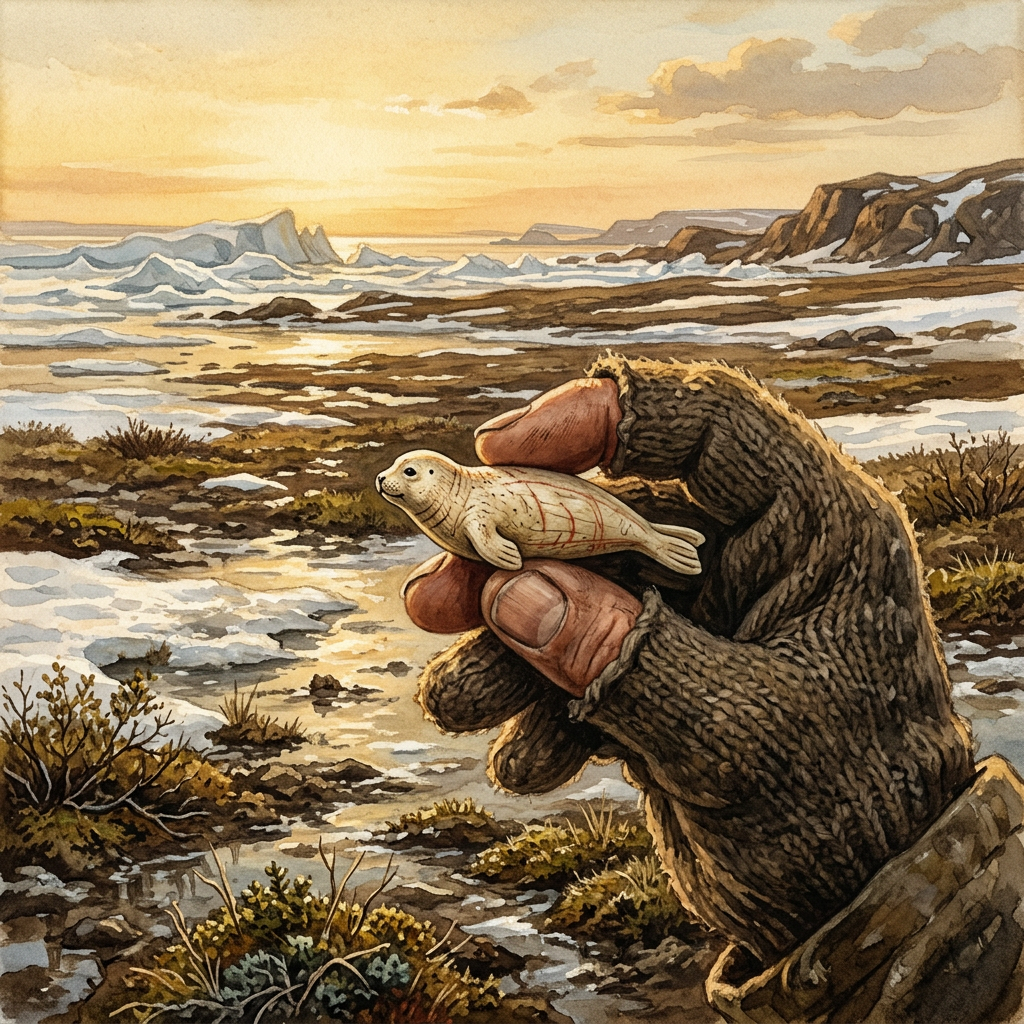
Rapidly receding permafrost in the Siberian Arctic has led to the discovery of a remarkably preserved cache of Paleo-Inuit artifacts. Among the finds are several ivory figurines depicting marine animals, some of which still retain traces of red and black pigments. These items provide a rare glimpse into the spiritual life and artistic traditions of the nomadic hunters who inhabited the Arctic during the mid-Holocene.
The Russian Academy of Sciences has dispatched an emergency conservation team to the site, as the organic materials are at high risk of rapid decay once exposed to oxygen. Preliminary analysis suggests that the pigments were derived from iron oxides and charcoal, indicating a sophisticated understanding of mineral processing. This discovery is being hailed as a milestone in climate archaeology, highlighting how melting ice is revealing long-lost chapters of human history while simultaneously threatening their survival.