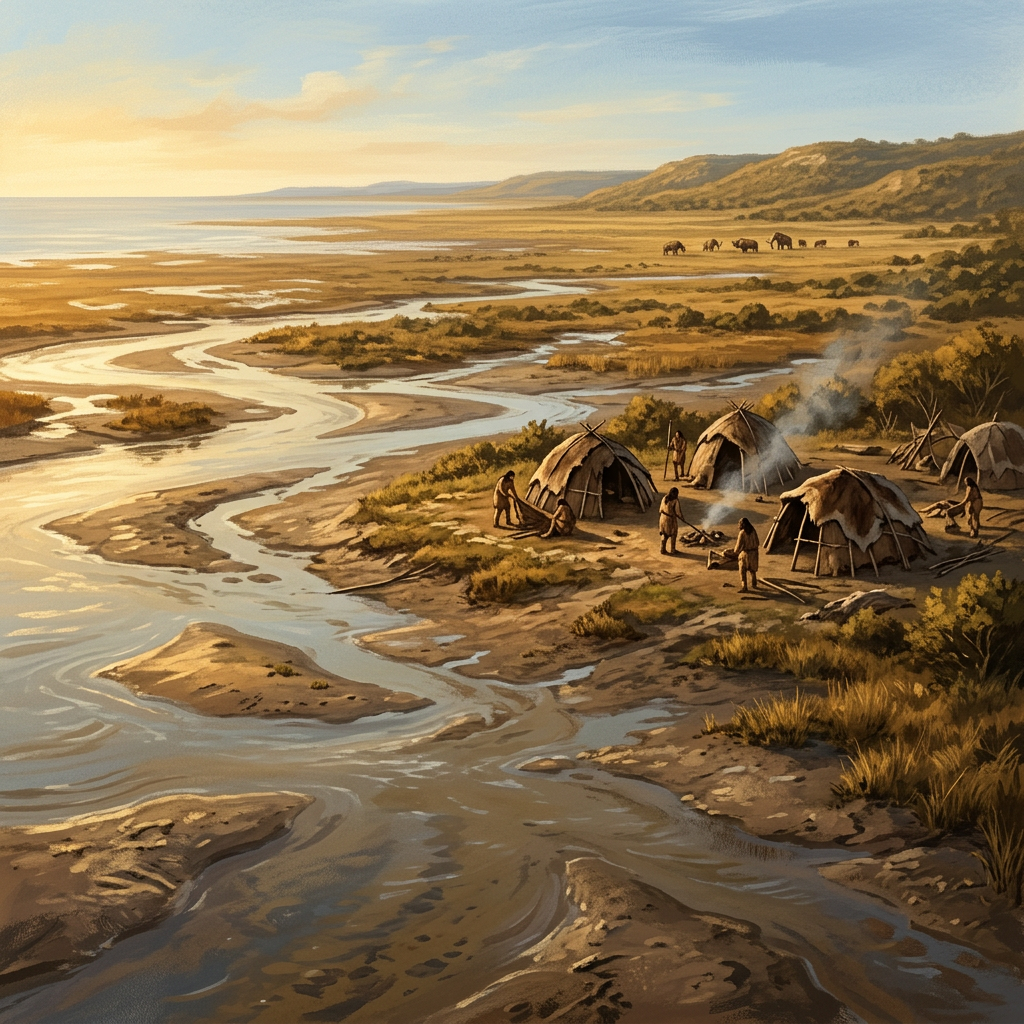
A groundbreaking paleogenomic study published in Nature Research on April 12, 2026, has identified a unique genetic adaptation in remains found on the now-submerged Sahul Shelf. The research analyzed DNA from hunter-gatherers who inhabited the region just before the post-glacial sea-level rise, uncovering a set of genetic markers associated with specialized metabolic efficiency and physiological resilience to high-humidity, marine-proximal environments.
The study suggests that these early populations developed specific genetic traits to cope with the rapid loss of land and shifting ecosystems as the shelf was inundated by the rising oceans. This evolutionary footprint provides the first direct evidence of how Pleistocene humans genetically adapted to catastrophic climate-driven habitat loss, offering new insights into the migratory pressures that shaped the early populations of Oceania and Australia.