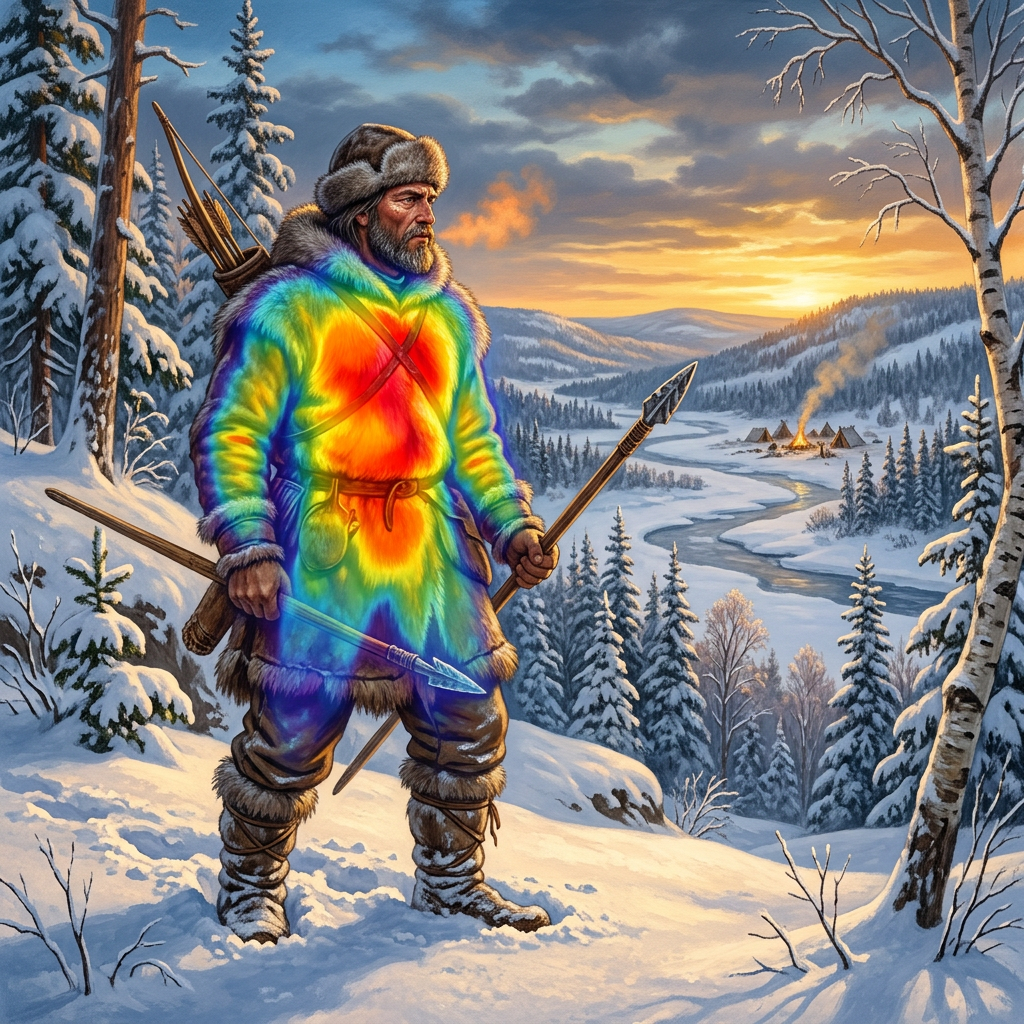
A paleogenomic study published in Cell has analyzed 8,500-year-old remains from the Lake Baikal region, identifying the earliest known genetic markers for metabolic thermogenesis. This adaptation allowed ancient hunter-gatherers to maintain core body temperatures in extreme sub-arctic conditions by enhancing the efficiency of brown adipose tissue.
The findings indicate that this genetic trait emerged shortly after the last glacial maximum, facilitating the permanent habitation of the Siberian interior. Anthropological research accompanying the genetic data suggests a correlation between these physiological shifts and changes in Neolithic dietary patterns, specifically the increased consumption of high-protein lake resources.