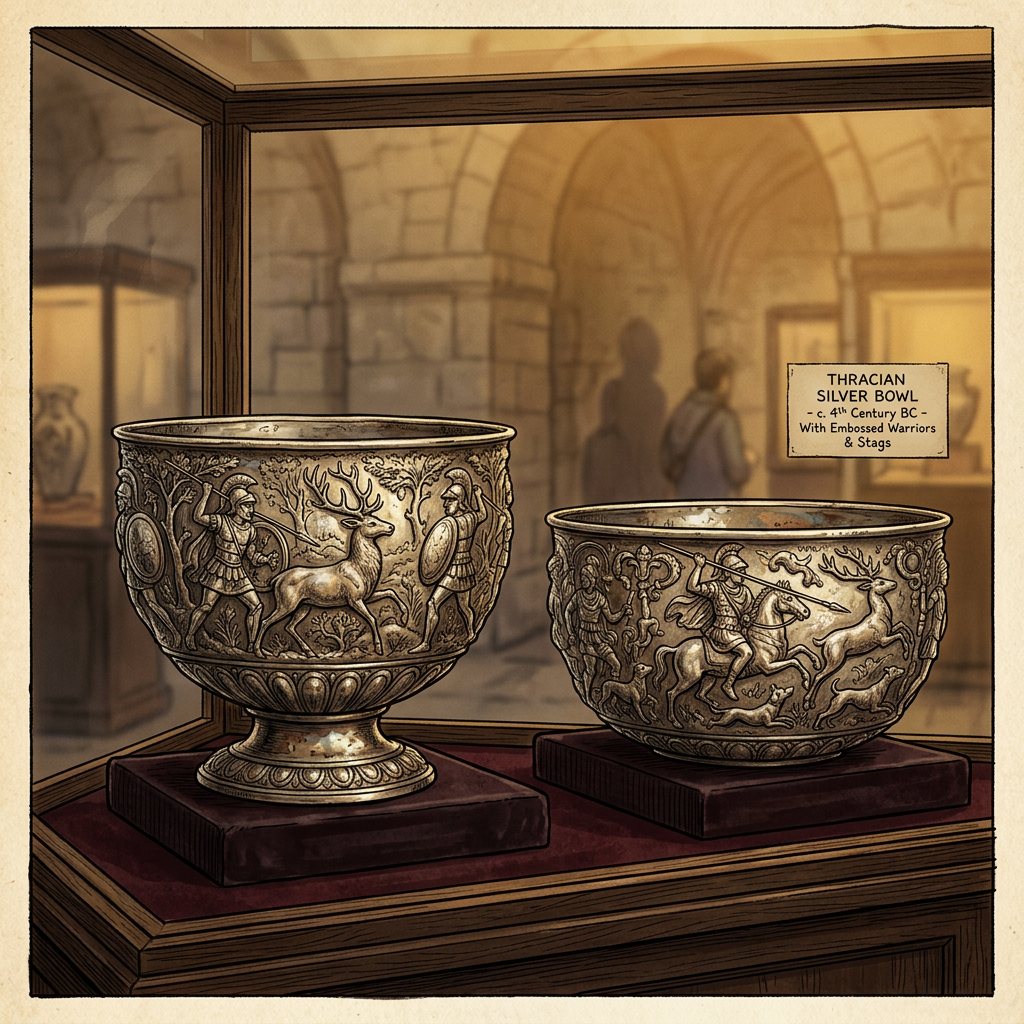
In a major victory for international heritage restitution, the Cleveland Museum of Art signed a formal agreement on April 5, 2026, to return a pair of rare, ornate silver vessels to the National Museum of Denmark. The artifacts, which feature intricate Celtic and Germanic motifs similar to the famous Gundestrup Cauldron, were found to have been illicitly excavated from a bog site in Jutland during the mid-20th century before entering the private market.
The repatriation follows a three-year provenance investigation that utilized lead isotope analysis to trace the silver's origin and soil residue testing to confirm the vessels' long-term burial in a peat environment. The museum's decision to return the items voluntarily was praised by Danish authorities as a model for 'ethical stewardship' in the 21st-century museum world. The vessels are considered pinnacle examples of Iron Age metalwork, depicting scenes of ritual processions and mythological beasts.
The agreement also includes a long-term research partnership between the two institutions, allowing for digital scans of the vessels to remain in Cleveland for educational purposes while the originals return to Copenhagen. This 'restorative collaboration' reflects a growing trend where museums move away from adversarial legal battles in favor of transparent, science-based restitution. The artifacts are scheduled to be the centerpiece of a new 'Rituals of the North' exhibition in Denmark later this year.