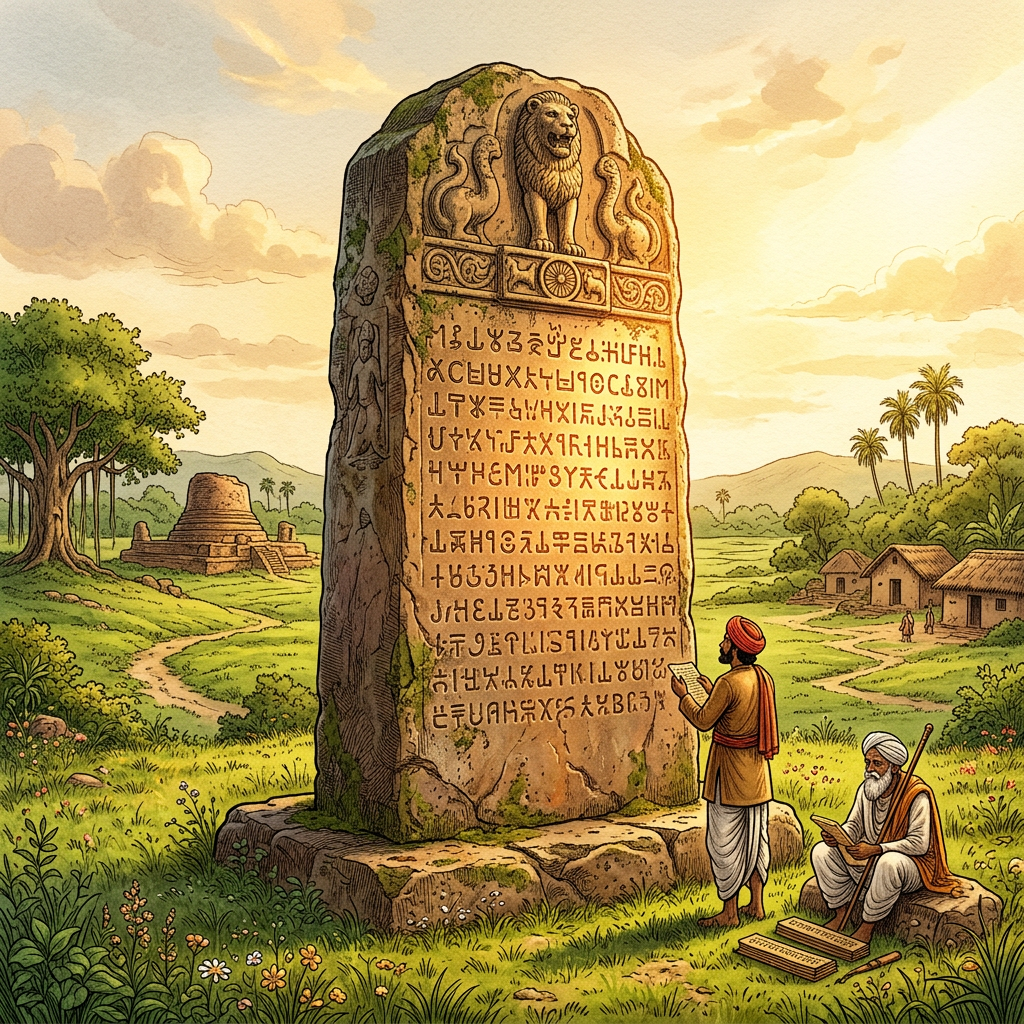
Archaeologists in Bihar have discovered a series of 3rd-Century BCE stone steles, dubbed the 'Dharma-Shila', which record a surprising 'Philosophy of Intellectual Dissent'. Unlike the well-known Ashokan edicts which focus on social piety, these inscriptions detail the rights of scholars and citizens to disagree with state-sponsored metaphysical doctrines. The text promotes 'Viveka-Virodha' (Rational Opposition) as a necessary component of a healthy civilization.
The inscriptions describe a 'Circle of Sages' who were specifically tasked with presenting counter-arguments to any new laws or religious decrees. This discovery suggests that the Magadhan intellectual climate was far more pluralistic and tolerant of radical skepticism than previously believed. The 'Dharma-Shila' serves as a foundational text for understanding the ancient roots of freedom of thought and the ethical value placed on critical inquiry within the Indian tradition.