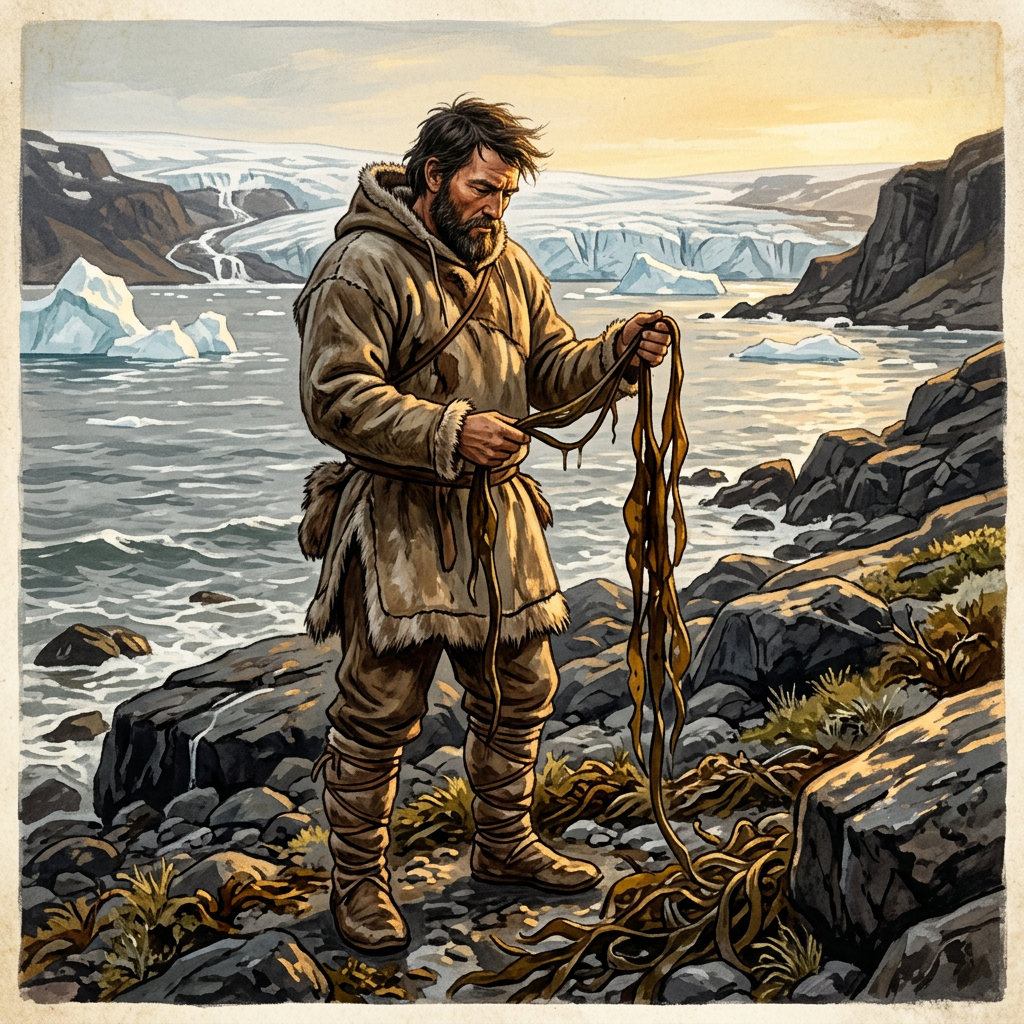
A breakthrough paleogenomic study published in Nature Genetics has revealed a previously unknown genetic lineage of late Pleistocene hunters in the Bering Strait region. By analyzing the high-coverage genome of 12,000-year-old remains, researchers identified a unique suite of genetic variants related to thyroid hormone regulation and iodine metabolism. These adaptations likely allowed this 'ghost' population to survive on a highly specialized marine diet dominated by iodine-rich seaweed and cold-water fish, which would have been toxic to other contemporaneous groups.
The findings suggest that the peopling of the Americas was far more complex than previously thought, involving multiple isolated groups with divergent metabolic strategies. The study also correlates these genetic markers with modern Arctic populations, providing a deep temporal link for the evolution of thyroid resilience in extreme maritime environments. This research highlights the role of localized nutrient availability in driving rapid genetic selection among early human pioneers during the terminal Pleistocene.