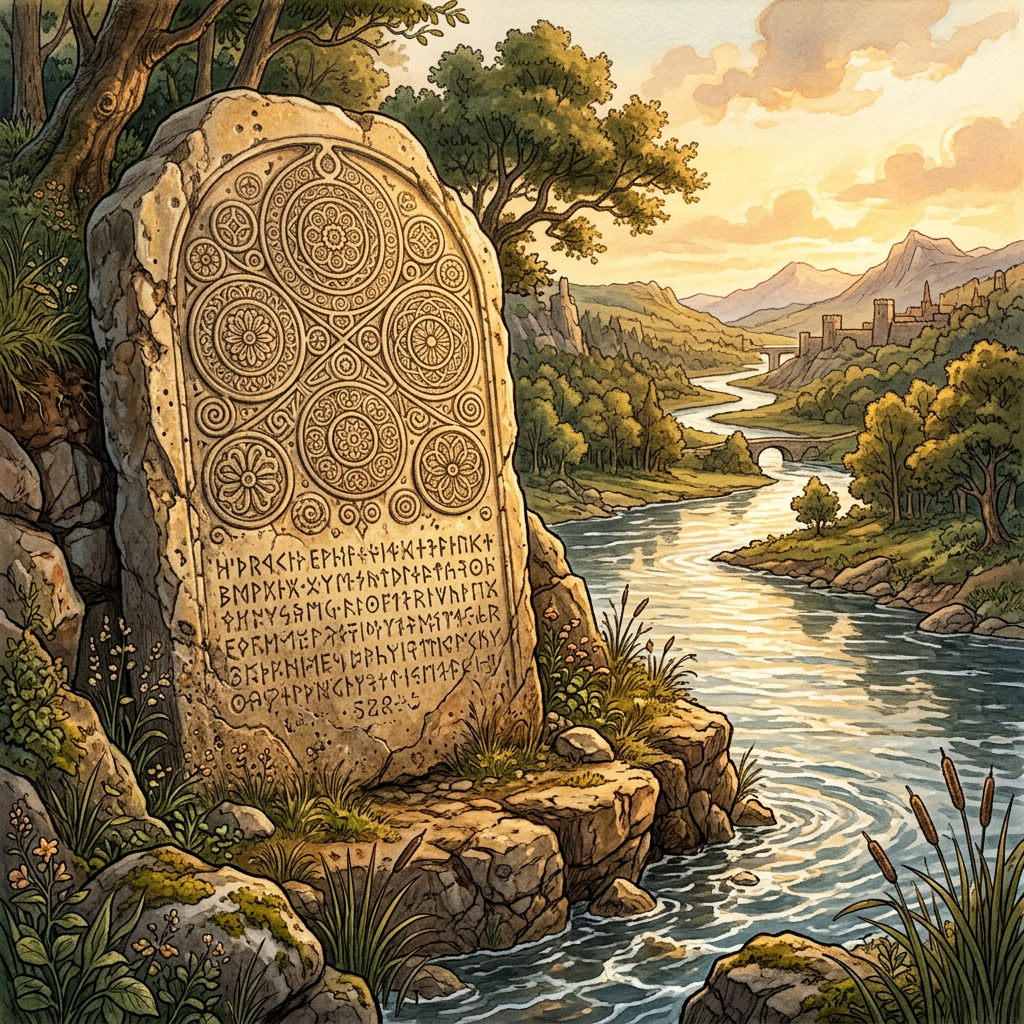
An international team of epigraphists has successfully deciphered a set of 4th-century BCE inscriptions from the Krishna River Valley. Known as the "Karma-Krama," these limestone carvings offer an early systematic exploration of the Philosophy of Intentionality, focusing on the mental precursors to physical action.
The text distinguishes between "unconscious movement" and "deliberate act," arguing that the moral quality of an action resides entirely in the Sankalpa (intention) rather than the outcome. This discovery suggests that sophisticated ethical debates regarding moral agency and causality were well-established in the Deccan region centuries earlier than previously thought.