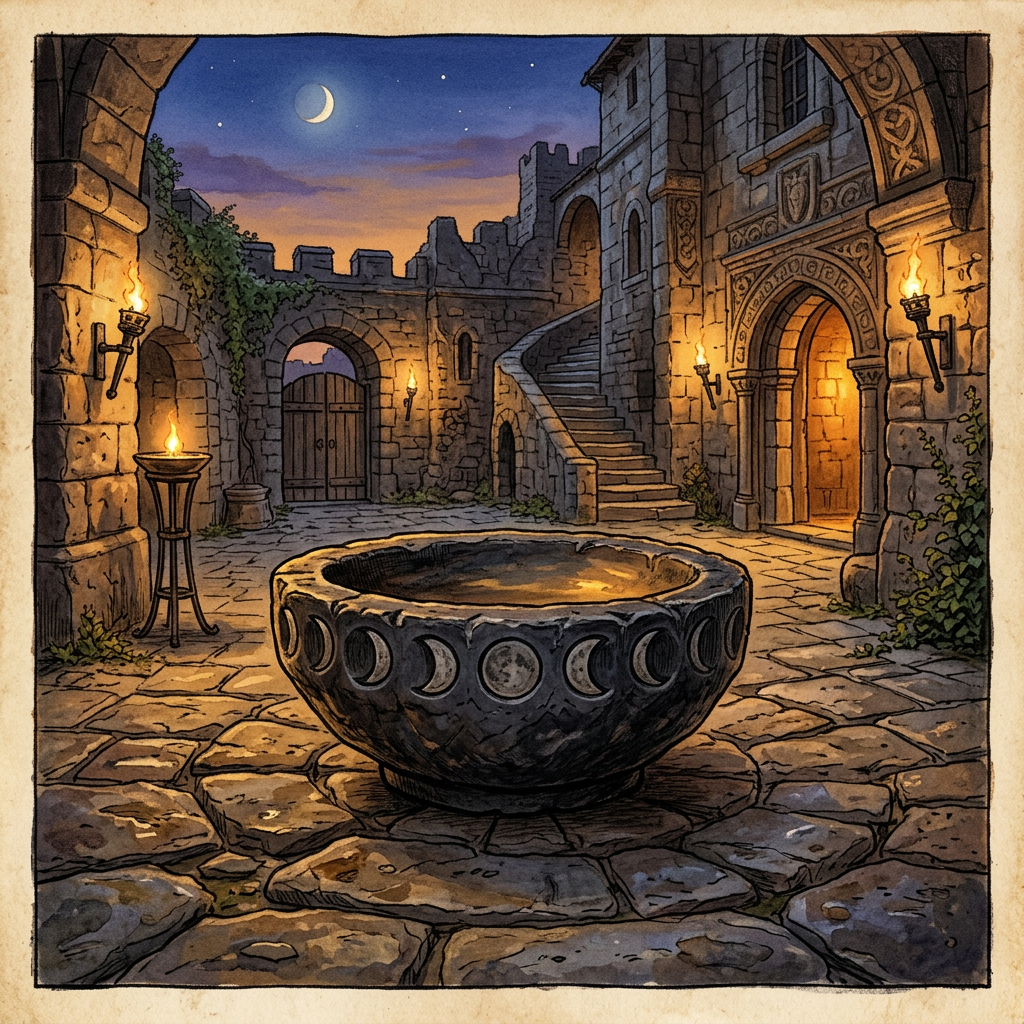
Recent excavations in the Jordan Valley have revealed a series of massive basalt bowls, each carved with lunar cycles and wheat sheaves, dating to the Iron Age II period. Archaeologists believe these bowls were used for communal libations during Harvest Moon festivals, where the community gathered to celebrate the end of the grain harvest. The heavy, dark basalt was likely chosen for its durability and symbolic connection to the earth.
The bowls were situated around a central stone plaza that shows signs of intensive use, including thousands of small oil lamps and carbonized seeds. This basalt bowl discovery suggests that the ritual life of the ancient Levant was far more structured around the lunar calendar than previously understood. These festivals were not just agricultural events but significant religious occasions that reinforced the bond between the people and their land under the light of the autumn moon.