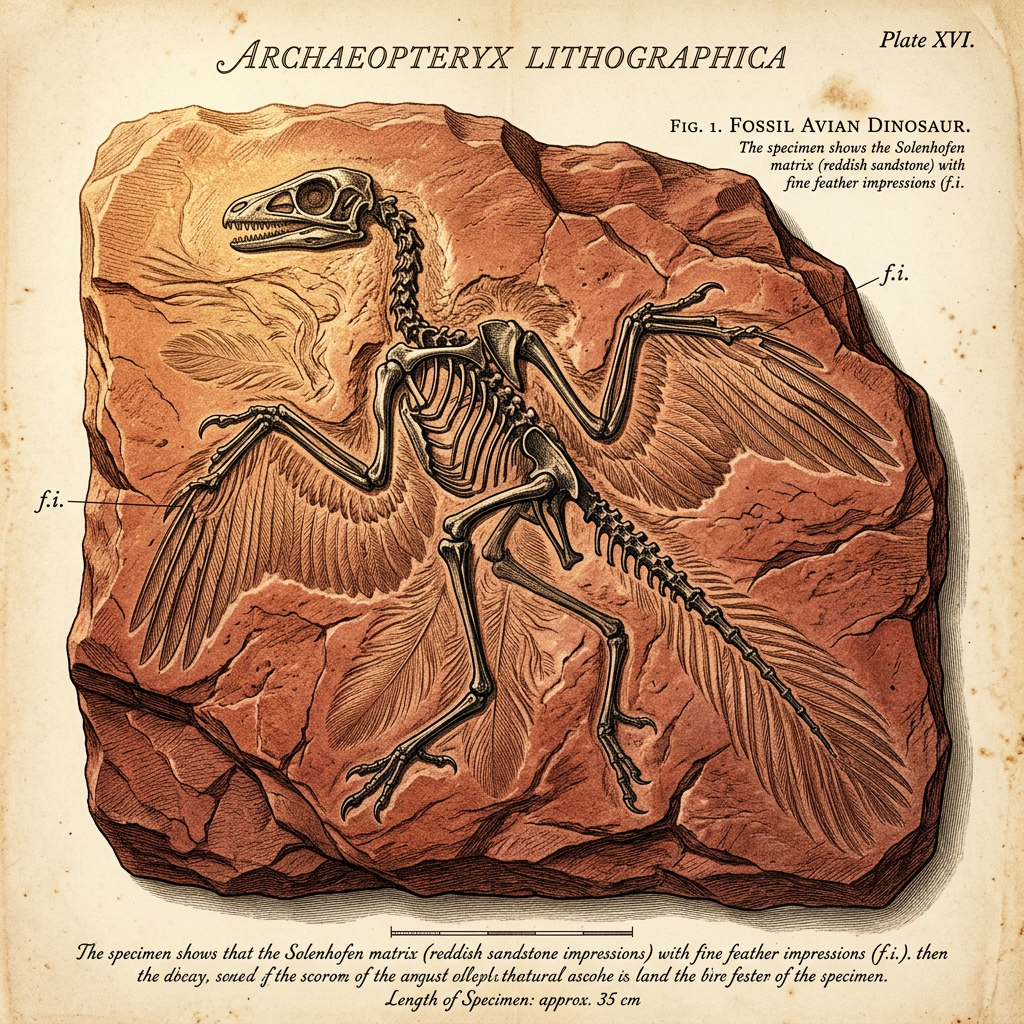
A groundbreaking discovery in the Santa Cruz Province of Argentina has revealed the fossilized remains of a previously unknown avian-mimic dinosaur. This species, living approximately 80 million years ago, exhibits an unusually large wingspan and hollow bone structure, suggesting a transitional stage in dinosaur-bird evolution.
Lead researchers noted that the specimen, found in exquisitely preserved sandstone, includes impressions of proto-feathers and a unique beak structure. This find provides critical data on how late Cretaceous predators adapted to the changing environments of prehistoric South America, offering a new perspective on the origin of flight.