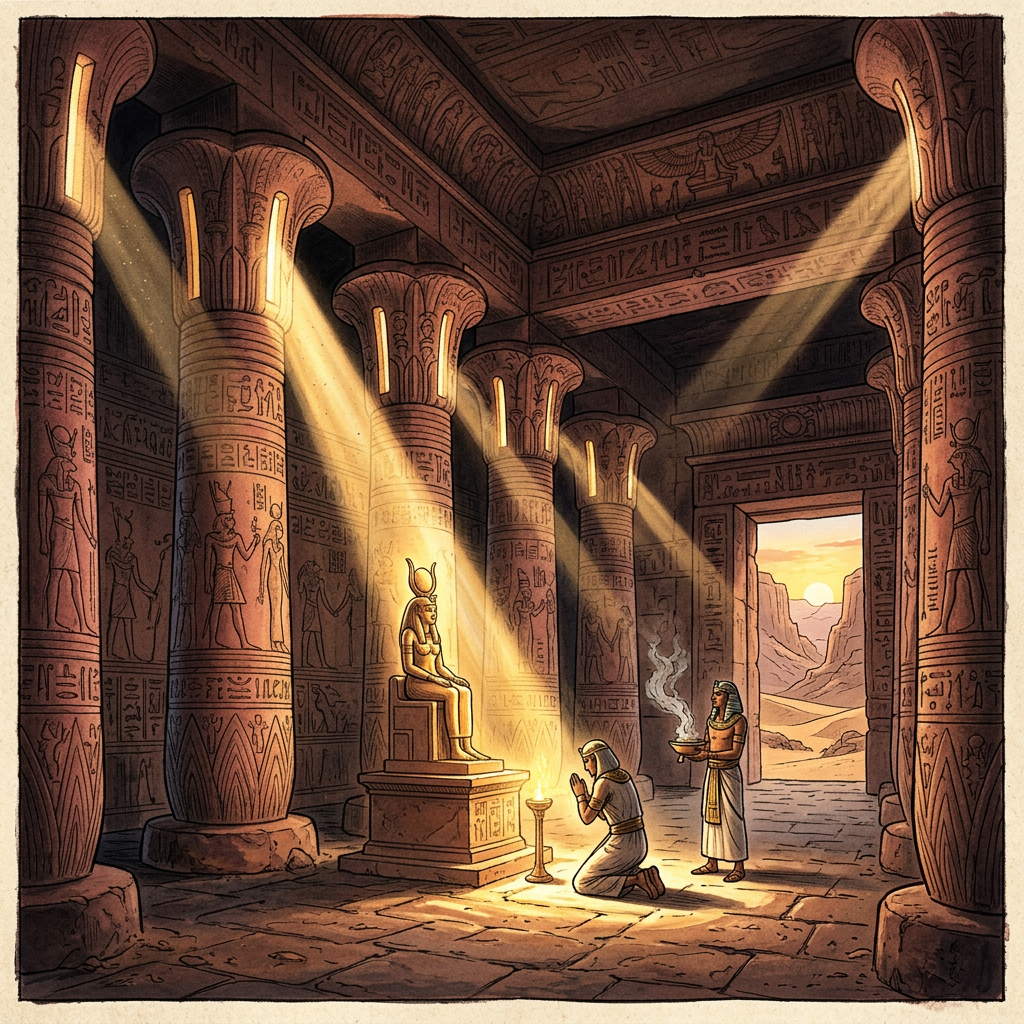
Archaelogists in Rajasthan have unearthed the foundations of a significant 10th-century Hindu temple dedicated to Surya, the Sun God, belonging to the Guhila dynasty. The site, located in a remote valley near Mewar, features a rare architectural innovation: solar-aperture pillars designed to channel thin beams of light onto the central idol at specific intervals during the winter solstice. The structure is built using the local pink sandstone and showcases the transition between late Pratihara and early Rajput architectural styles.
The excavation team discovered several intact friezes depicting the seven horses of Surya's chariot, alongside rare inscriptions detailing the royal grants provided by local chieftains for the temple's maintenance. Unlike many other temples of the period that suffered during later centuries, this site appears to have been abandoned due to a shifting river course, leaving the lower tiers of the garbhagriha (sanctum) and its intricate carvings in nearly pristine condition. Restoration efforts are now focusing on stabilizing the remaining stone pillars.