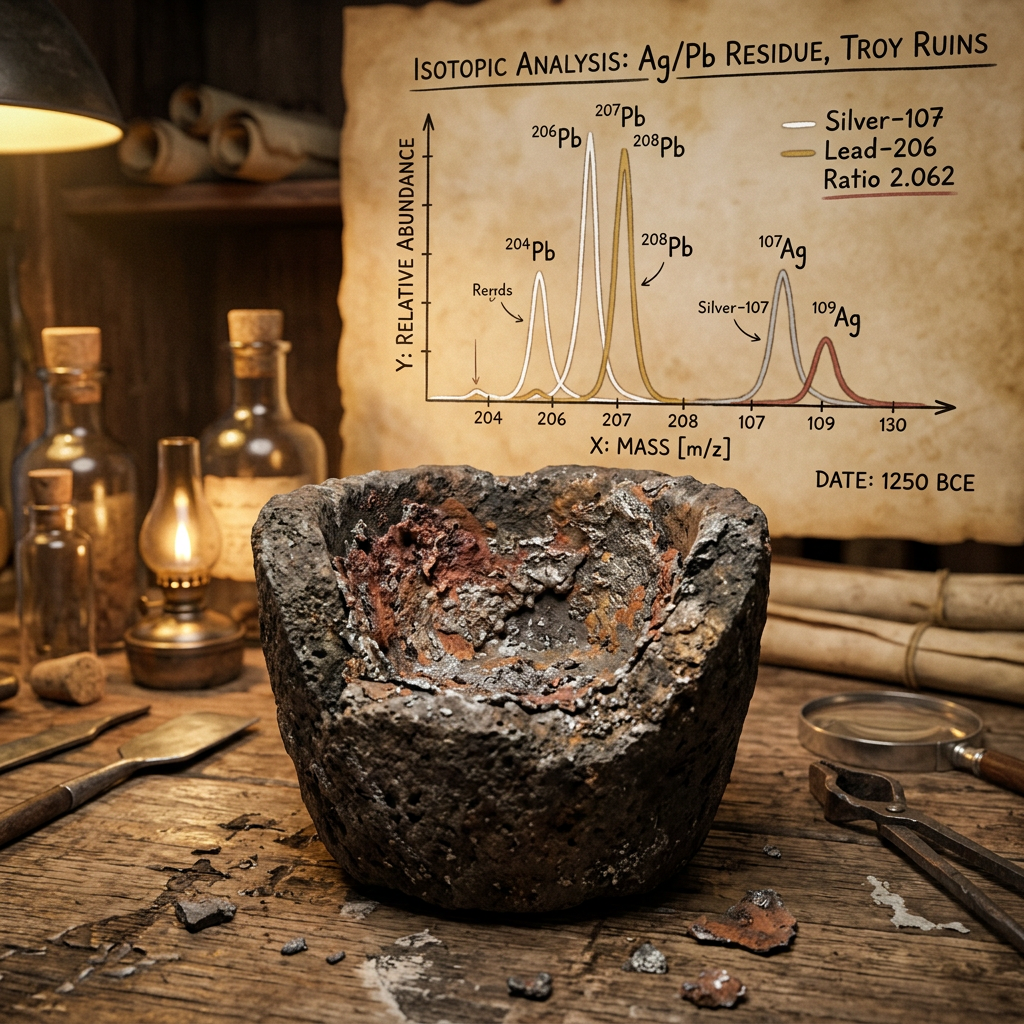
A new study in the Journal of Archaeological Science has introduced a revolutionary dating technique using Mercury-202 isotopic fractionation to pinpoint the origins of metallurgy in Southeast Europe. By analyzing trace residues on stone crucibles found in the Vinca culture sites, researchers have refined the timeline of cinnabar-to-mercury extraction, pushing the evidence for complex chemical processing back to 3200 BCE.
This methodology bypasses the limitations of traditional radiocarbon dating in contexts where organic material is scarce. The researchers demonstrate that the precision of Mercury-202 analysis allows for the identification of specific mining pulses, revealing a highly organized trans-Balkan trade network that specialized in the production of pigments and early medicinal compounds during the Early Bronze Age.