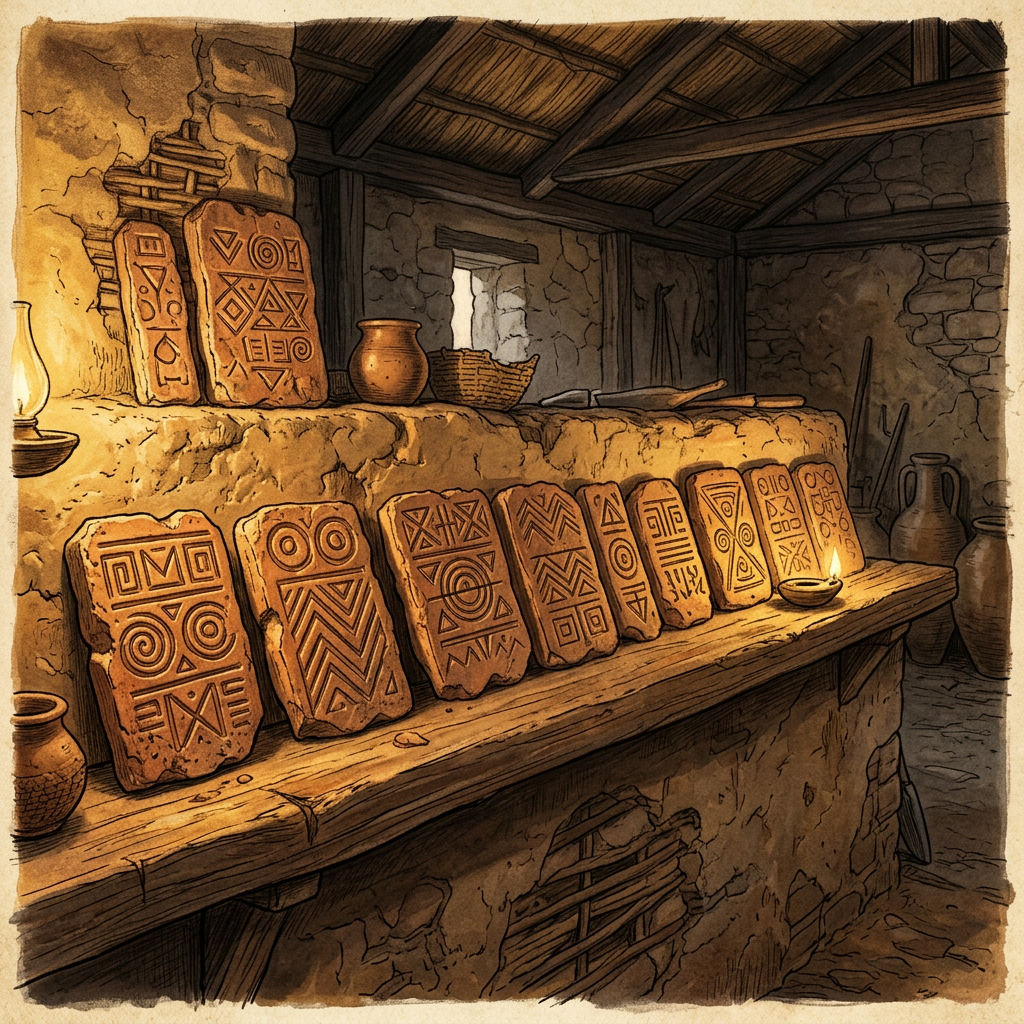
Excavations in the Kaduna State of Nigeria have revealed what archaeologists are calling a Nok Scriptorium, a dedicated space for the creation and storage of symbolic terracotta tablets. Unlike the famous Nok figurative sculptures, these newly found artifacts are flat, rectangular clay slabs inscribed with a complex system of geometric glyphs. If confirmed as a proto-writing system, it would radically transform the understanding of literacy and record-keeping in West African Iron Age societies.
The structure itself was built using a unique rammed-earth technique and featured shelves for the tablets, which appear to record agricultural yields or astronomical events. Preliminary linguistic analysis suggests that the symbols are repetitive and structured, indicating a formal codified language. This site provides a rare glimpse into the intellectual life of the Nok Civilization, which flourished between 1500 BCE and 200 CE, and suggests they were far more administratively organized than previously thought.