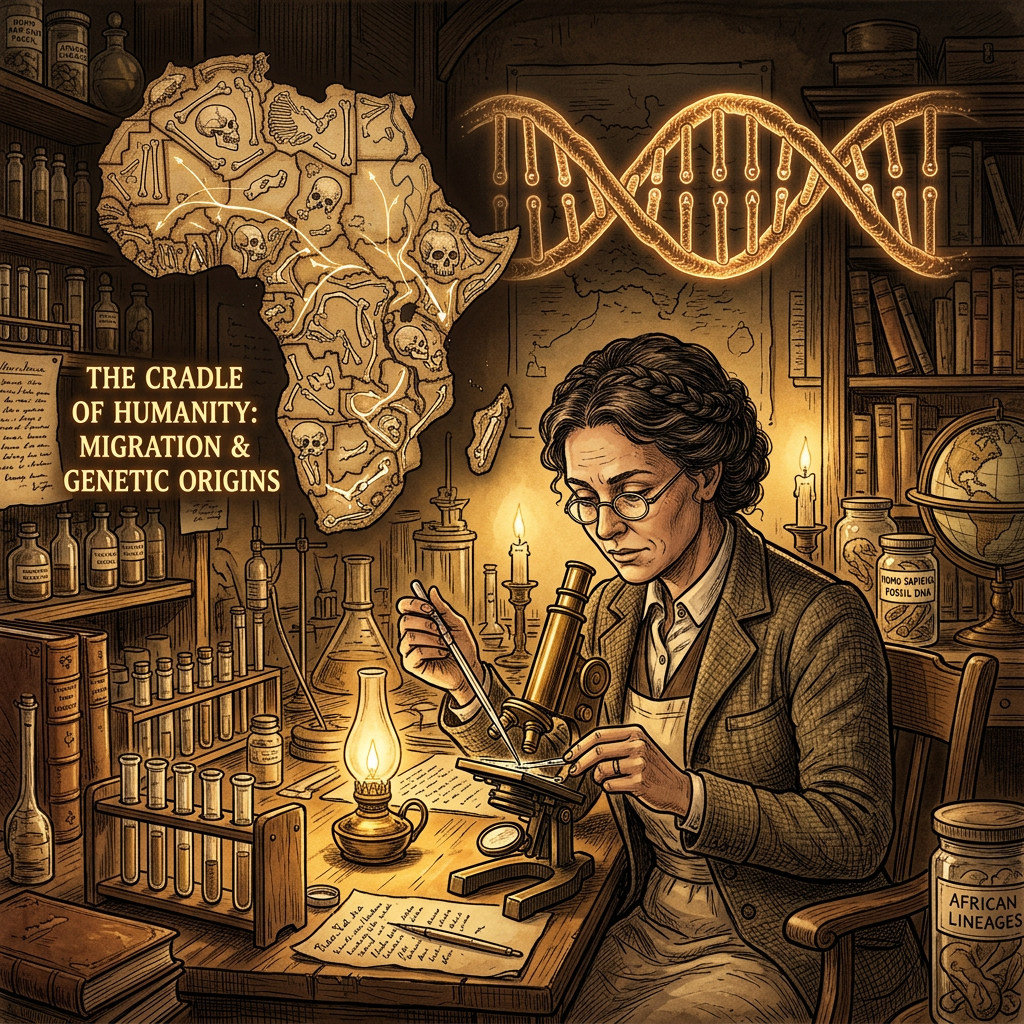
In a landmark study published in Nature Genetics, an international team of paleogenomicists has sequenced the DNA of 11,000-year-old human remains found in the Cuanza Basin of modern-day Angola. The analysis has identified the earliest known genetic markers for resistance to endemic arboviral pathogens, specifically those related to mosquito-borne hemorrhagic fevers. This finding suggests that early Holocene populations in West-Central Africa were already undergoing intense selective pressure from tropical viruses shortly after the expansion of forest ecosystems.
The study also reveals that these individuals belonged to a previously uncharacterized ghost lineage that diverged from other sub-Saharan groups approximately 18,000 years ago. This discovery provides a new window into the evolutionary history of the human immune system, showing how natural selection favored specific HLA alleles to survive the pathogen-rich environments of the African interior. The research reshapes our understanding of early human migration and adaptation in the post-glacial era.