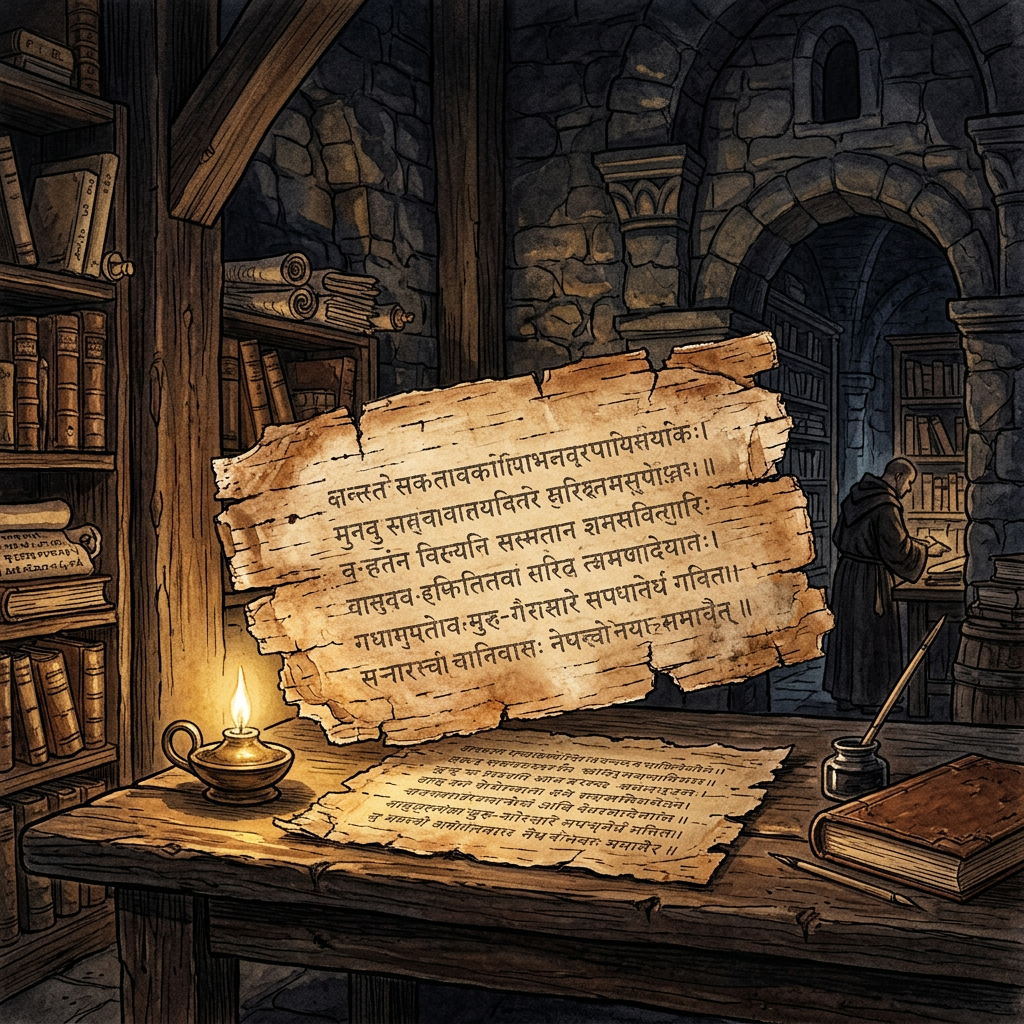
A hidden alcove in the library of a remote Ladakh monastery has yielded a fragment of an 11th-century manuscript titled 'Yoga-Sara-Sangraha'. Unlike many yoga texts that focus on physical postures, this document is a deep dive into the epistemology of meditation, analyzing how the mind perceives 'truth' during states of deep concentration. The manuscript is written on birch bark and has been exceptionally well-preserved by the cold, dry Himalayan climate.
The text describes a hierarchy of mental clarity, where traditional sensory perception is categorized as a lower form of knowledge compared to the 'unmediated insight' gained through disciplined focus. Scholars are currently comparing these fragments with later Kashmiri Shaivite texts to understand the cross-pollination of ideas between the high Himalayas and the plains of India during the medieval era.