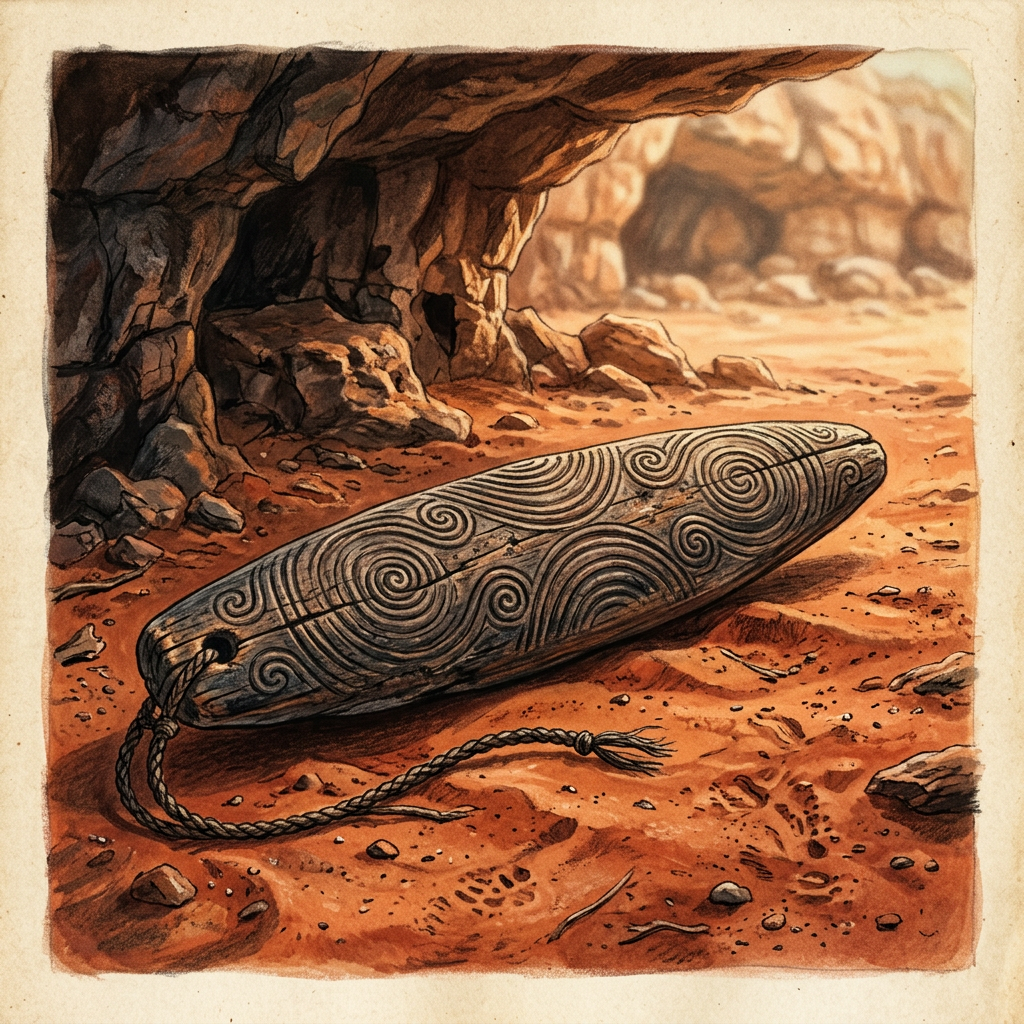
Archaeologists working in the remote Kimberley region of Western Australia have unearthed a set of wooden bull-roarers dating back approximately 12,000 years. These ancient aerophones, which produce a low-frequency vibratory sound when swung, were found preserved in a dry rock shelter alongside ceremonial ochre palettes. The discovery provides the earliest physical evidence for the use of "thunder-voice" instruments in seasonal gatherings that predate the stabilization of the current coastline.
Researchers suggest these artifacts were central to communal ritual festivals designed to mimic the sound of approaching monsoons. The rhythmic patterns etched into the wood appear to represent weather cycles, indicating that these gatherings were sophisticated celestial and environmental celebrations that have persisted in modified forms through millennia of indigenous tradition.