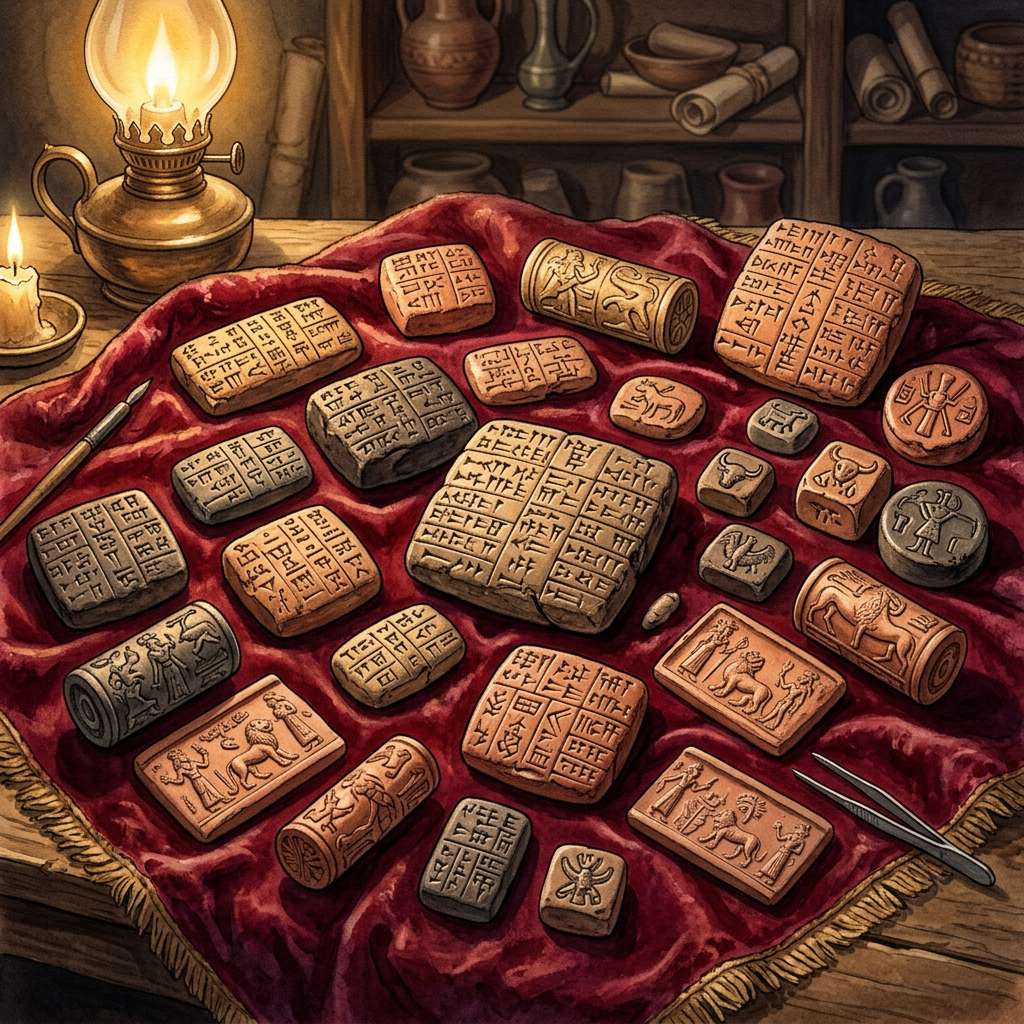
Excavations in the Kurukshetra region have brought to light a series of clay tablets inscribed with a text known as the 'Prana-Samata'. Dated to the 5th-century BCE, the tablets outline a radical philosophy of vital equality, suggesting that all living beings share the same fundamental dignity because they are animated by the same 'cosmic breath'.
Scholars believe this text represents a missing link between early Vedic ritualism and the later, more egalitarian Upanishadic ethics. It provides a formal philosophical defense against rigid social hierarchies, based on the ontological reality of shared biological and spiritual existence.