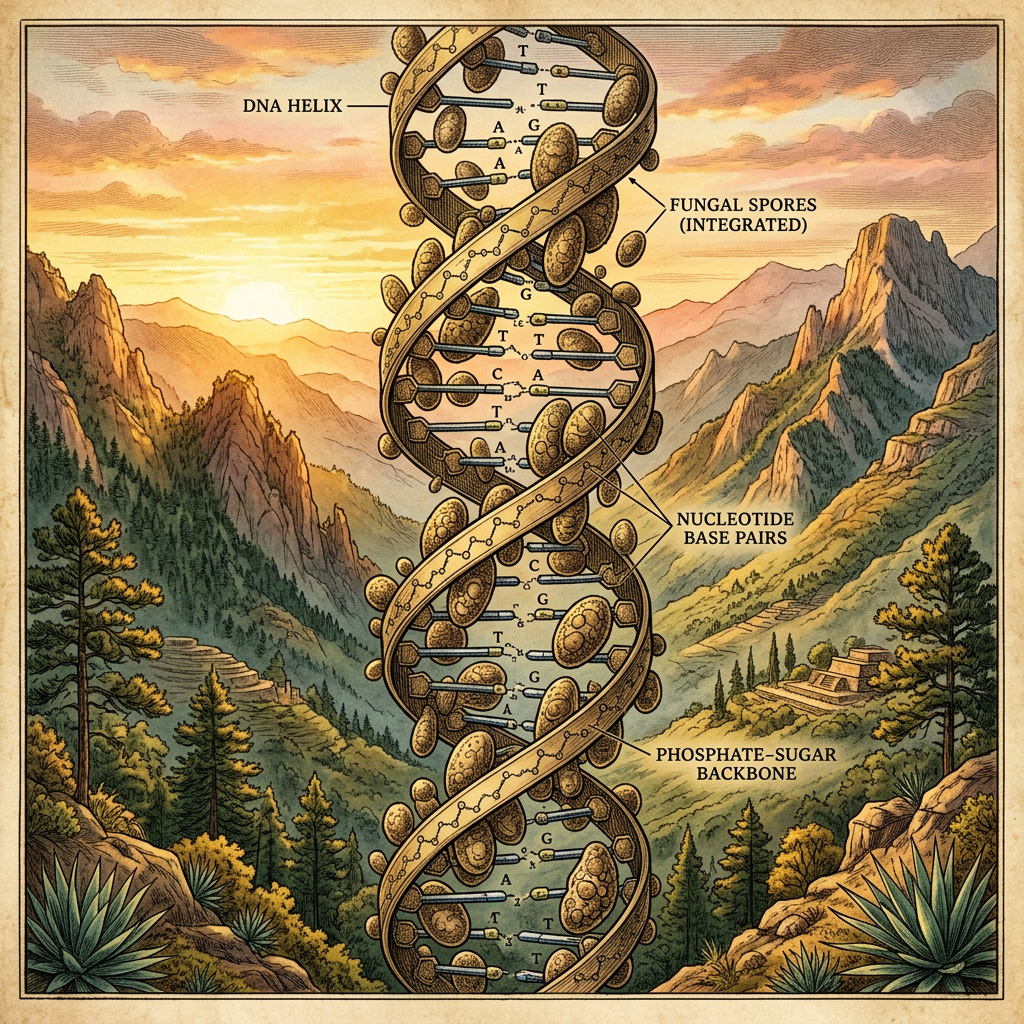
A groundbreaking paleogenomic study published in Evolutionary Anthropology Journal has analyzed the remains of a 13,000-year-old individual discovered in the high-altitude caves of the Oaxaca Valley. This research has successfully identified the earliest known genetic markers for resilience to endemic high-altitude fungal pathogens, providing a new perspective on the biological adaptations required for early human settlement in the Americas.
The study highlights how these ancient populations developed specific immune system mutations to combat localized environmental stressors long before the advent of agriculture. By comparing this ancient DNA with modern indigenous genomes, researchers have mapped a continuous lineage of genetic resistance that has persisted for over thirteen millennia, illustrating the long-term evolutionary impact of regional pathogens on human migration patterns.