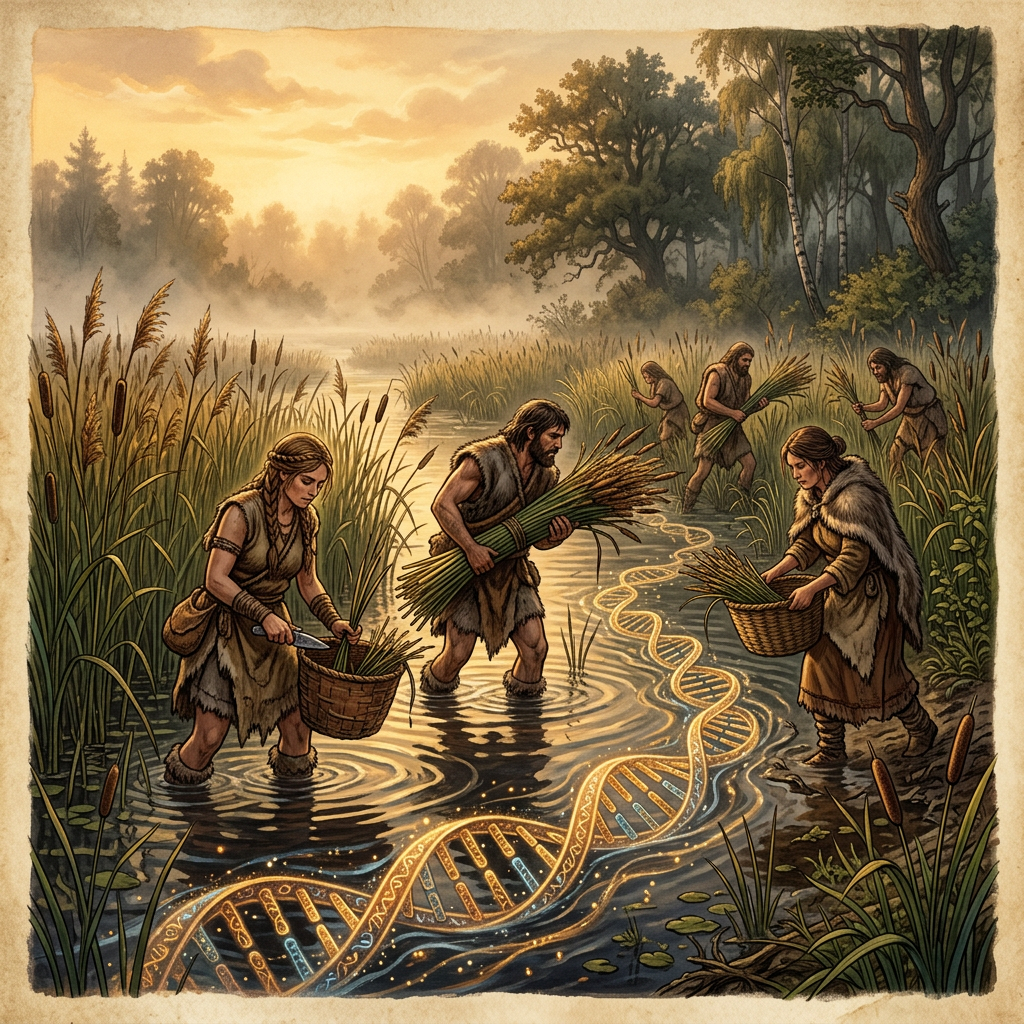
An international team of geneticists has completed the sequencing of 12,000-year-old hunter-gatherer remains from the Balkan-Pannonian interface. The study, appearing in Nature Communications, identifies a unique suite of adaptations in the HLA-DRB1 complex, which confers high resistance to Leptospira bacteria, a pathogen common in the marshy environments of post-glacial Europe.
This genomic evidence indicates that early Holocene populations were already facing significant selective pressure from waterborne zoonotic diseases long before the intensification of animal husbandry. The research provides a critical missing link in the history of human immunology, showing how the genetic landscape of modern Europeans was shaped by the ecological challenges of the wetlands following the retreat of the glaciers.