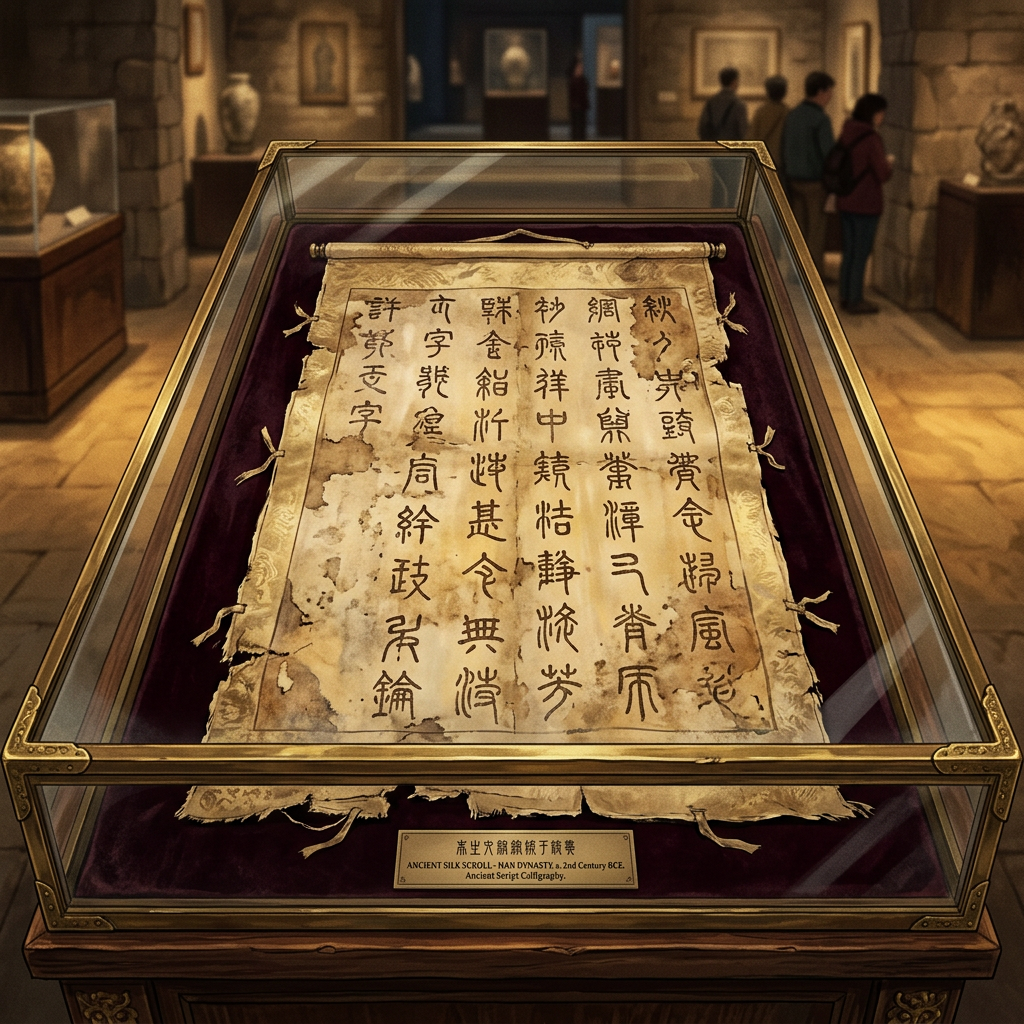
An international archaeological expedition in Khotan, along the ancient Silk Road, has uncovered a well-preserved silk scroll dating to the 8th Century. Titled 'Hetu-Kalpa', the text is a philosophical treatise on causality and interdependence, written in a variant of the Siddham script commonly used for Sanskrit texts in Central Asia.
The 'Hetu-Kalpa' outlines a theory of 'Karana-Karya' (cause and effect) that emphasizes the interconnected nature of all phenomena. It serves as a bridge between Vedic notions of Rta and the Buddhist concepts of dependent origination, reflecting the unique philosophical melting pot of the medieval Silk Road.
Scholars are particularly interested in the scroll's ethical conclusions, which advocate for a global ethics of responsibility based on the recognition of shared causality. The find highlights the sophisticated intellectual trade that occurred alongside material goods, showcasing the spread of ancient Indian wisdom traditions across borders.