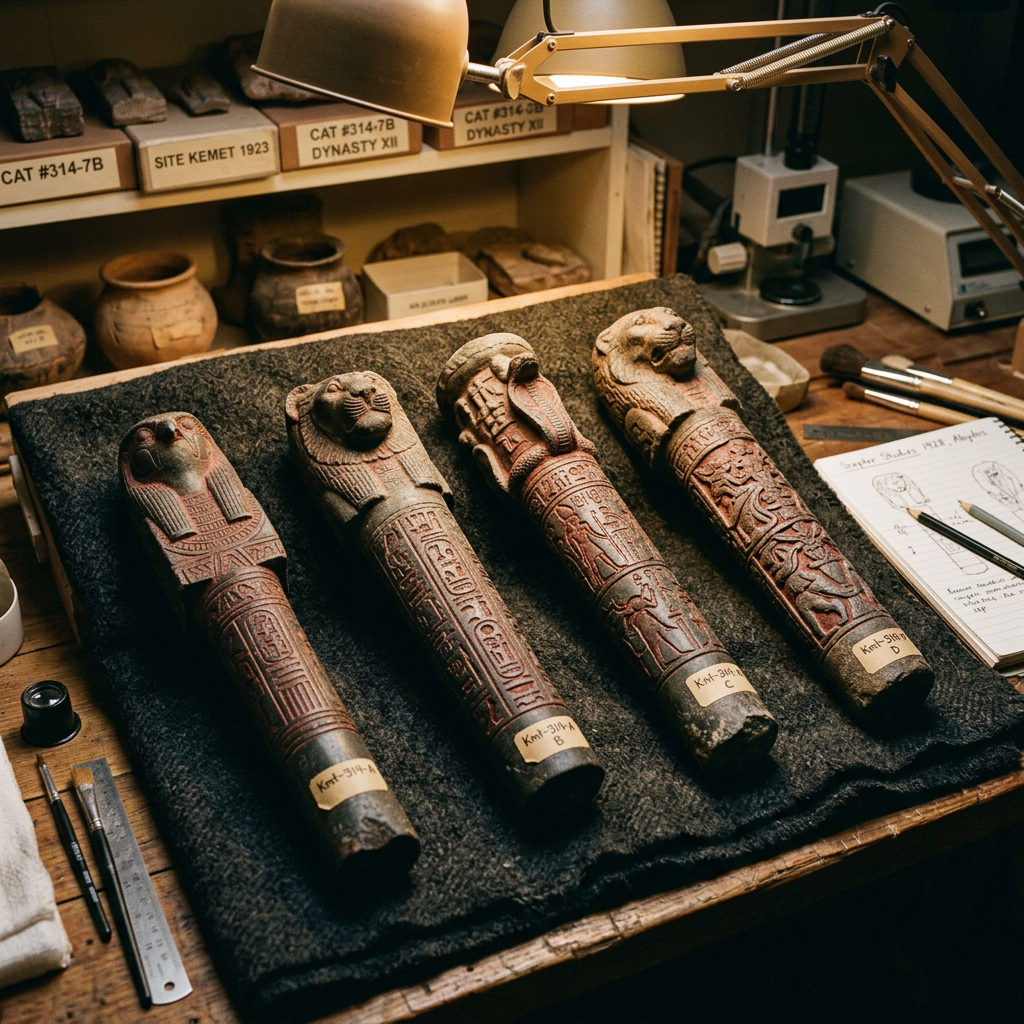
In the high-altitude site of Chavín de Huántar, archaeologists have recovered four intact stone scepters coated in a thick layer of bright red cinnabar. The scepters, carved with intricate avian and feline motifs, were found in a subterranean gallery that historically served as a gateway for seasonal mountain-blessing ceremonies.
These artifacts indicate that Chavin festivals were deeply sensory experiences, involving the use of vivid colors and dramatic architecture to facilitate communication with mountain spirits. The discovery confirms that the mountain-greeting rituals, which still persist in various forms throughout the Andean highlands, have origins stretching back nearly three millennia to the very dawn of organized religious life in South America.