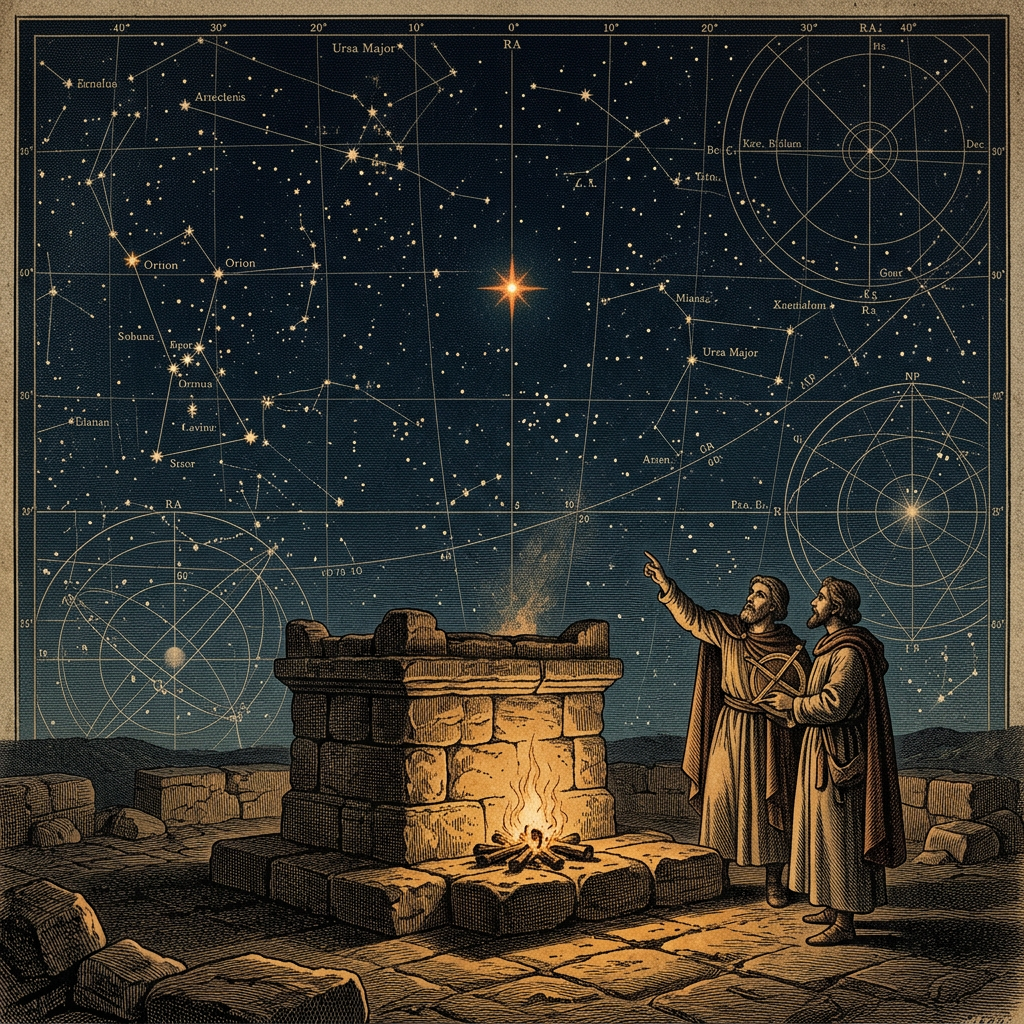
New computational research appearing in the Journal of Vedic Astronomy has successfully mapped ritual descriptions in the Kathaka Samhita to specific astronomical events. By utilizing high-resolution sky simulations, the study demonstrates that the alignment of specific sacrificial altars described in the text matches the heliacal rising of the star Arcturus (Svati) as it would have appeared in the northern Indian sky circa 1800 BCE.
This research provides definitive evidence for the systematic tracking of axial precession by ancient Indian observers. The study notes that the precise timing of rituals was calibrated to compensate for the drift of the vernal equinox, showcasing a level of mathematical and observational sophistication previously thought to have developed much later. The findings suggest that Vedic priests maintained detailed records of stellar positions across several centuries to ensure the efficacy of their seasonal calendars.