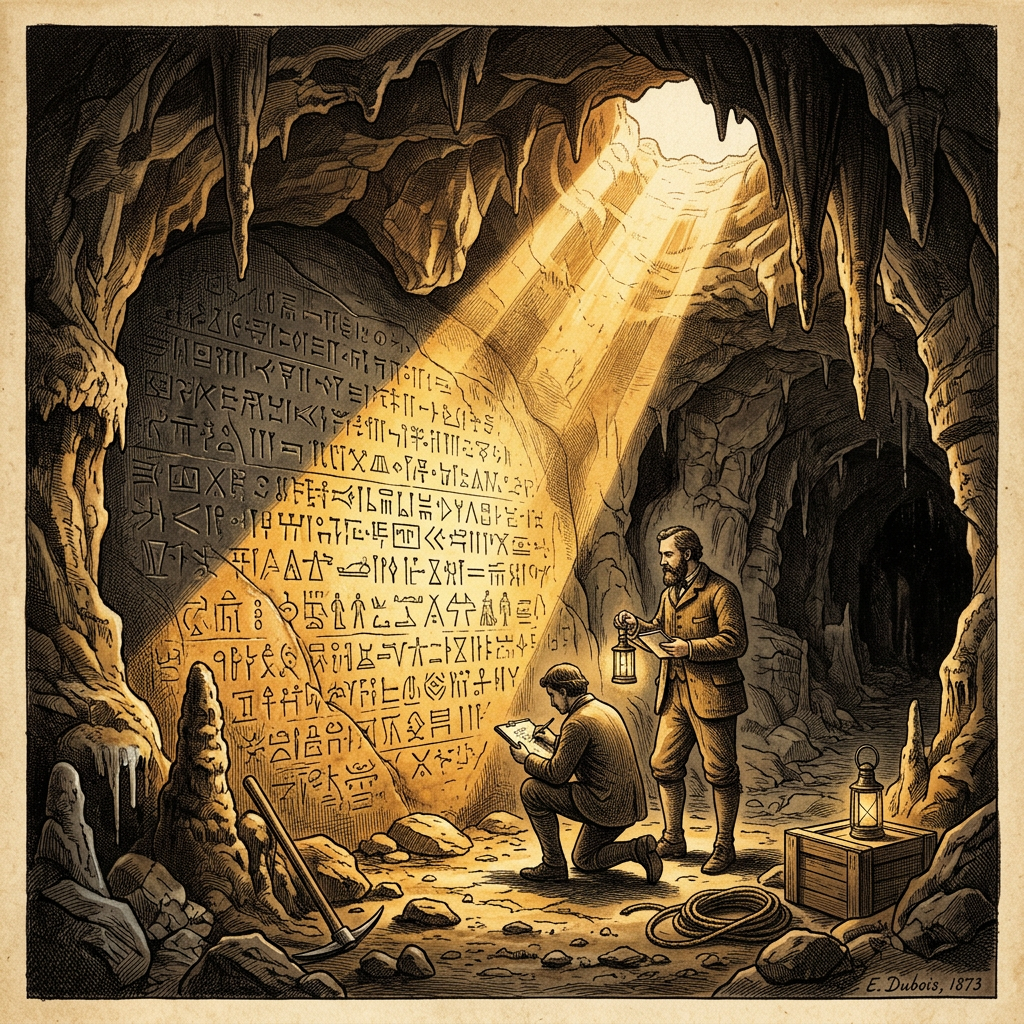
Discovery of rock-cut inscriptions in a remote cave system within the Vindhya Range has revealed the 'Sattva-Niti', a 4th-century BCE ethical guide focused on the concept of 'Sattva' or luminous purity. The inscriptions are written in a transitionary script and represent some of the earliest recorded examples of virtue ethics in the Indian subcontinent.
The text focuses on the metaphysics of intention, arguing that the moral quality of an action is determined entirely by the internal state of the practitioner rather than the external result. This discovery challenges the notion that early Indian ethics were primarily ritual-driven, suggesting instead a deep-seated tradition of psychological and contemplative philosophy among forest-dwelling sages of the era.