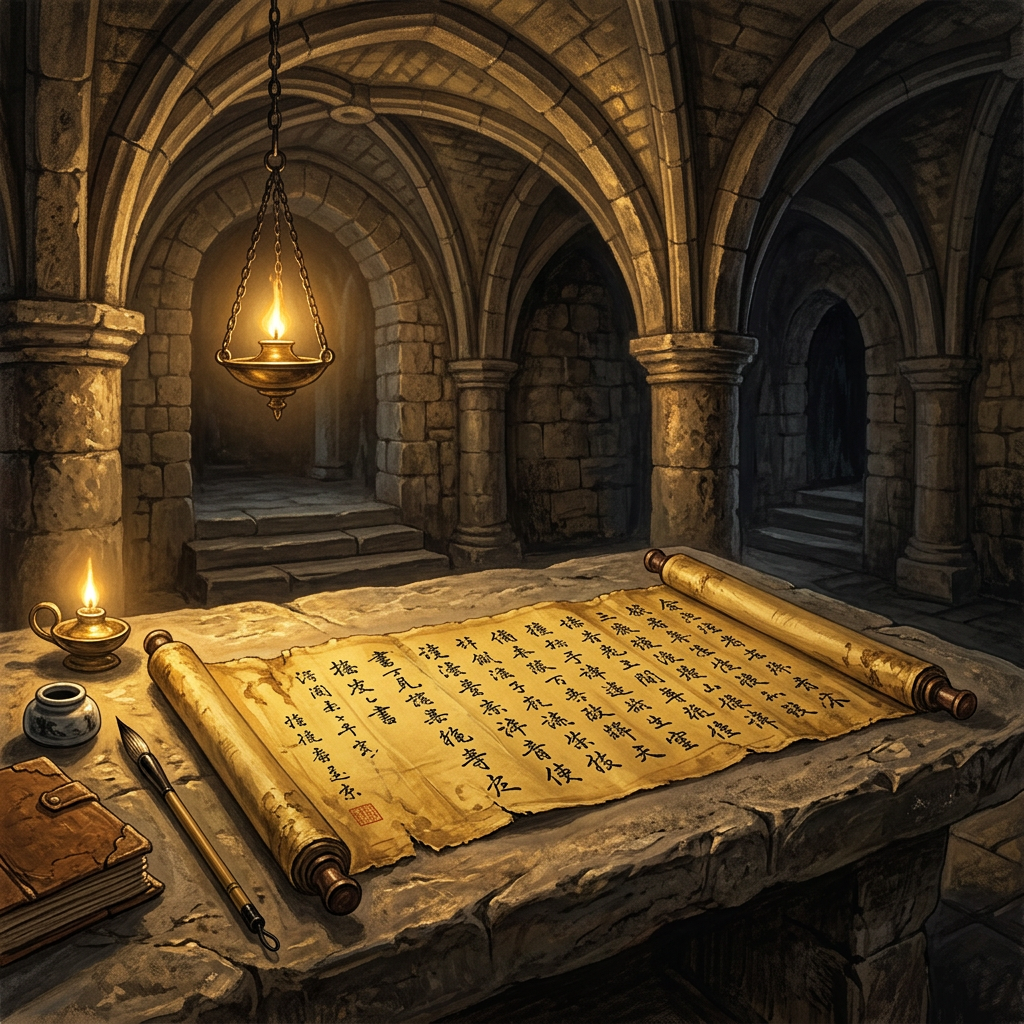
An underground chamber beneath an 8th-century temple in Gujarat has yielded a remarkable silk scroll containing the 'Maya-Vivarana'. This document predates the famous philosopher Adi Shankara and offers a unique perspective on the metaphysics of illusion and reality, complicating the traditional narrative of the development of Advaita Vedanta.
The scroll presents a highly nuanced dialectic of appearance, suggesting that 'Maya' is not a mere deception but a necessary bridge for the finite mind to comprehend the infinite. This discovery is expected to spark significant debate among scholars regarding the regional influences and intellectual precursors that shaped the classical non-dualist traditions of India.