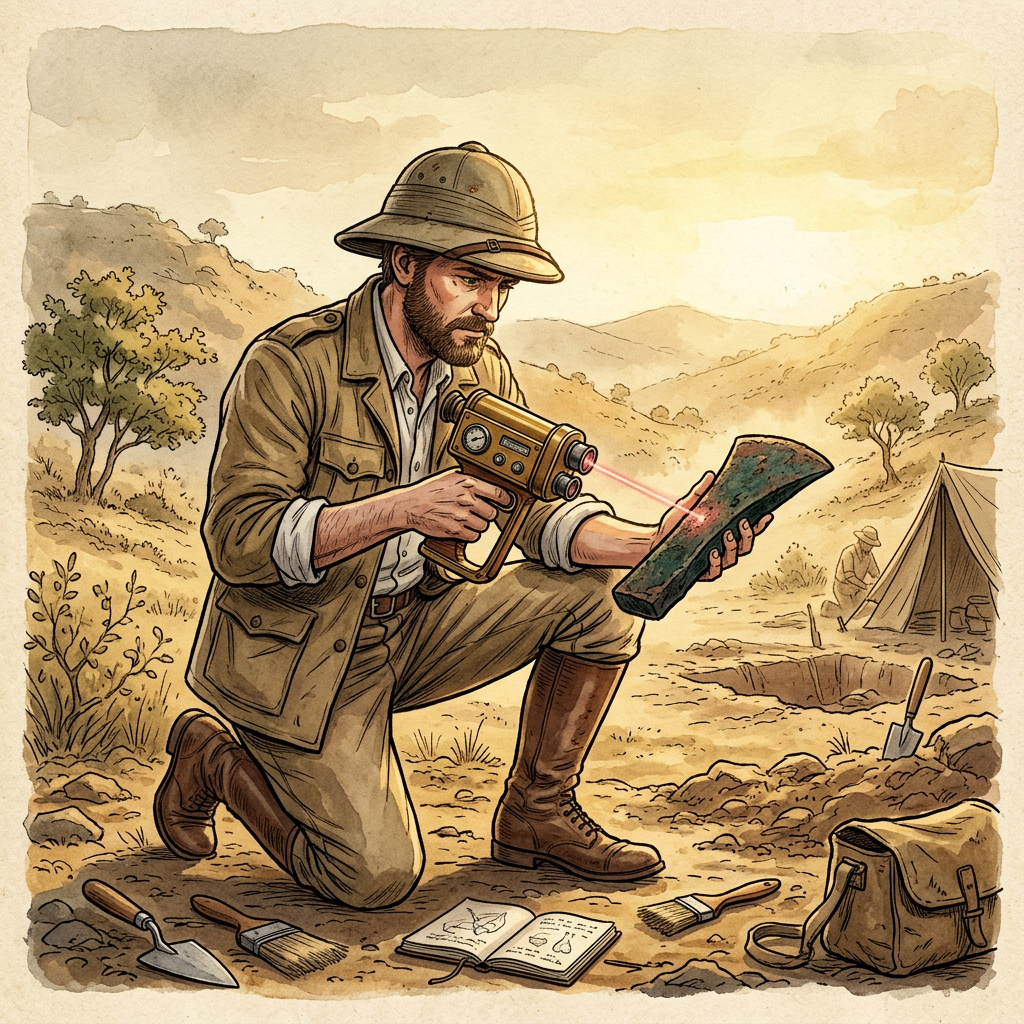
A new research paper in the Journal of Archaeological Science introduces a refined Rhenium-Osmium (Re-Os) dating technique specifically optimized for copper-based artifacts. By applying this method to the 'Copper Hoard' cultures of the Chota Nagpur Plateau, researchers have pushed back the chronology of advanced metallurgical transitions in eastern India to 3300 BCE. This precision dating indicates that the transition from stone toolkits to copper alloys occurred nearly five centuries earlier than previously estimated through traditional carbon-14 dating of associated organic remains.
The study, led by an international team from IIT Kanpur and Leiden University, utilized the high sensitivity of the Re-Os clock to analyze trace impurities in the copper ores. The results suggest a highly localized and independent development of smelting technology in the region, rather than a diffusion from the Indus Valley. This discovery refines the map of the Chalcolithic expansion across the Indian subcontinent and emphasizes the role of the plateau's mineral wealth in shaping early South Asian civilization.