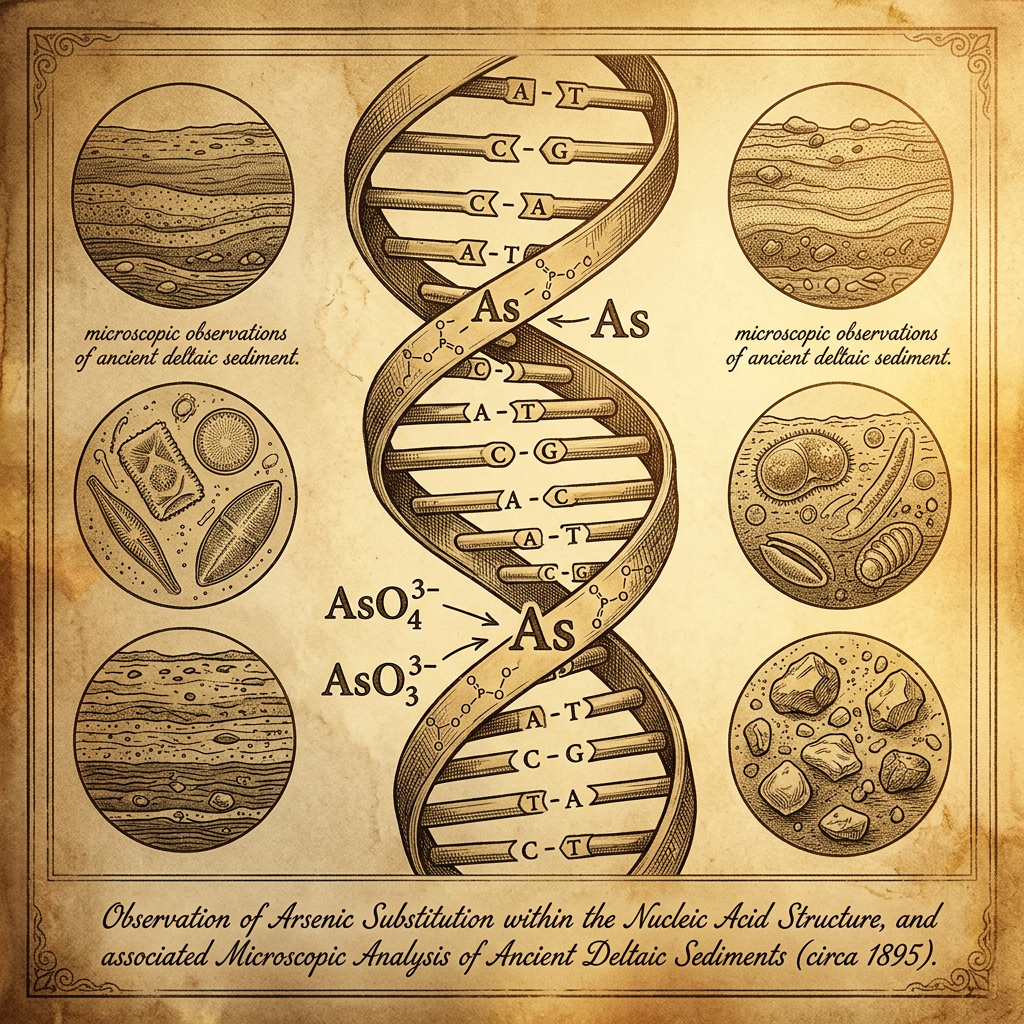
A breakthrough paleogenomic study published in Nature Genetics has identified a unique genetic signature in remains found in the Ganges-Brahmaputra Delta, dating back to 5500 BCE. Researchers from the Centre for Cellular and Molecular Biology (CCMB) found specific variations in the AS3MT gene, which is responsible for arsenic methylation. This finding suggests that ancient populations in the eastern Indian subcontinent developed early biological mechanisms to mitigate the toxic effects of naturally occurring arsenic in the groundwater of the deltaic plains.
The study analyzed twenty-four skeletons and found that this adaptation predates the rise of the first urban centers in the region. This research provides critical evidence for how early human groups adapted to specific environmental toxins through epigenetic selection and genetic mutations, long before the advent of modern medical understanding. The findings also link these ancient lineages to modern-day communities in West Bengal and Bangladesh, highlighting a deep-rooted genetic resilience that has persisted for over seven millennia.