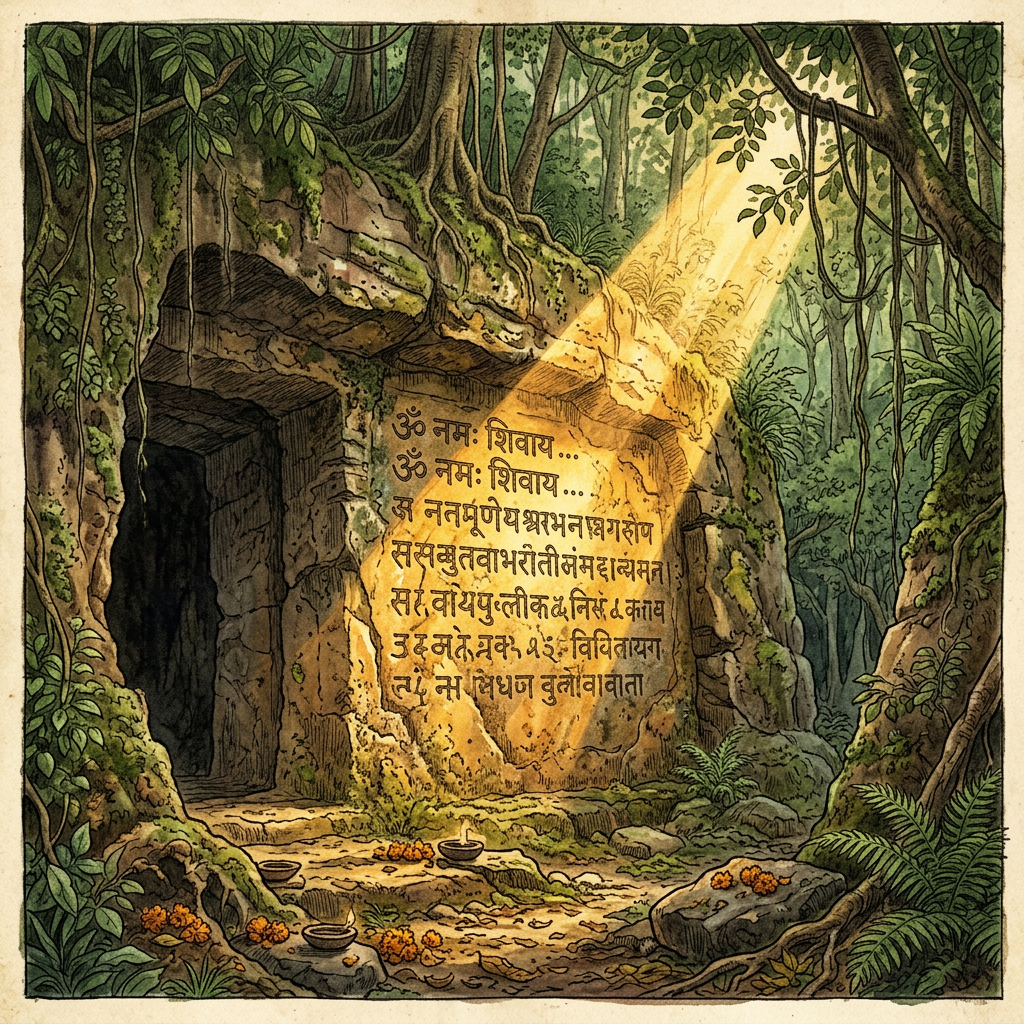
Archaeologists exploring a newly identified rock shelter in the Western Ghats have discovered a series of Sanskrit inscriptions dated to the 7th century. The text, titled 'Prama-Gatika', offers a sophisticated analysis of epistemology, specifically focusing on the concept of 'truth-flow' or the dynamic nature of valid cognition. This find suggests that early medieval philosophical schools in Southern India were actively debating the fluid boundaries between perception and inference.
Scholars from the National Institute of Archaeology state that the inscriptions are unique because they blend Nyaya logic with local aesthetic theories. The text posits that truth is not a static destination but a rhythmic process of alignment between the observer's internal state and the external reality. This discovery provides a rare look into how rural monastic centers served as hubs for high-level intellectual discourse outside of major urban centers.