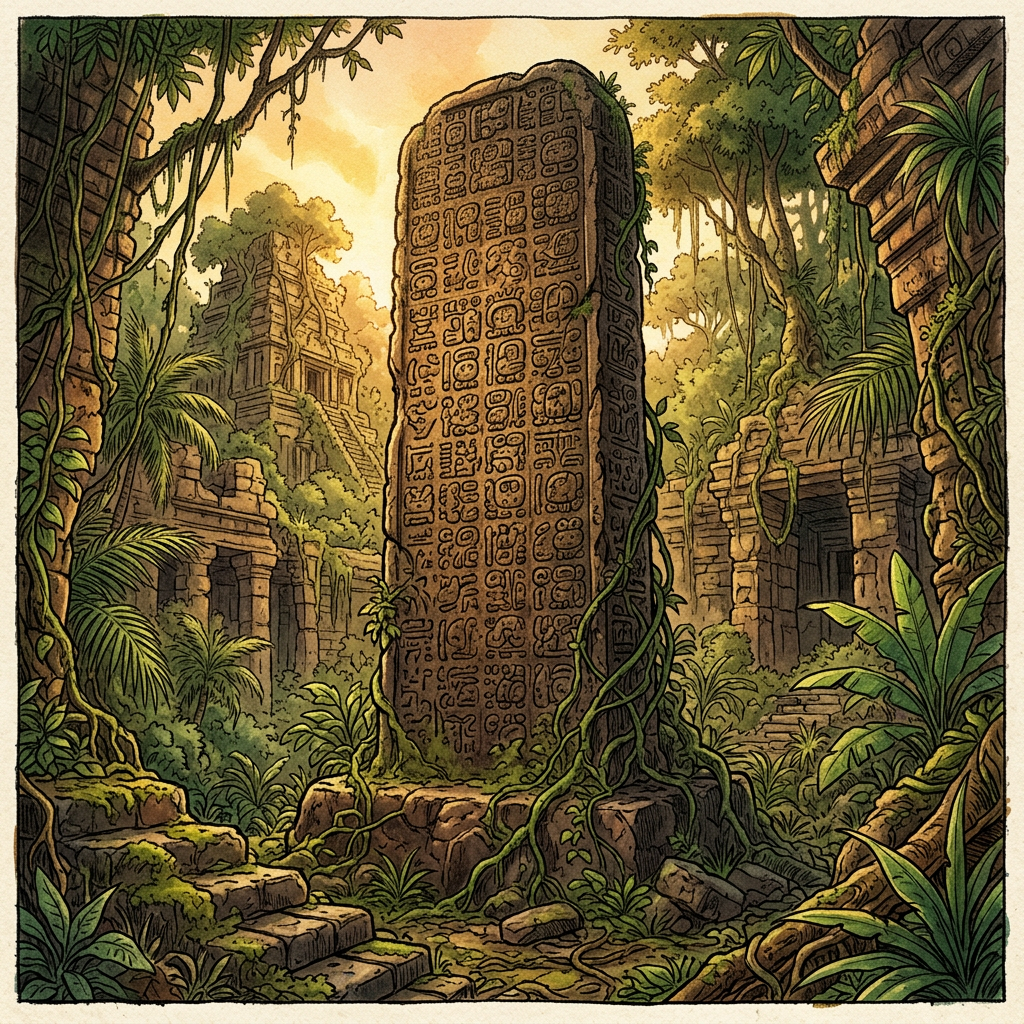
Excavations at a temple site in the Mekong Delta have unearthed a series of stone stelae inscribed with a lost text called the 'Sattva-Sutra'. Dated to the late 10th century, the inscriptions detail a specific branch of Vedic philosophy that flourished in Southeast Asia, focusing on the cultivation of Sattva (purity or luminosity) as a prerequisite for social and political leadership. This discovery highlights the profound intellectual footprint of the Indian wisdom traditions in the Khmer and Champa regions.
The text is particularly notable for its 'Philosophy of Luminous Balance,' which describes a method of governance where the ruler's inner clarity directly influences the prosperity of the land. Epigraphists emphasize that the linguistic style shows a unique synthesis of Sanskrit and Old Khmer terminology, reflecting a deep integration of Indian metaphysical concepts into local administrative and spiritual life.