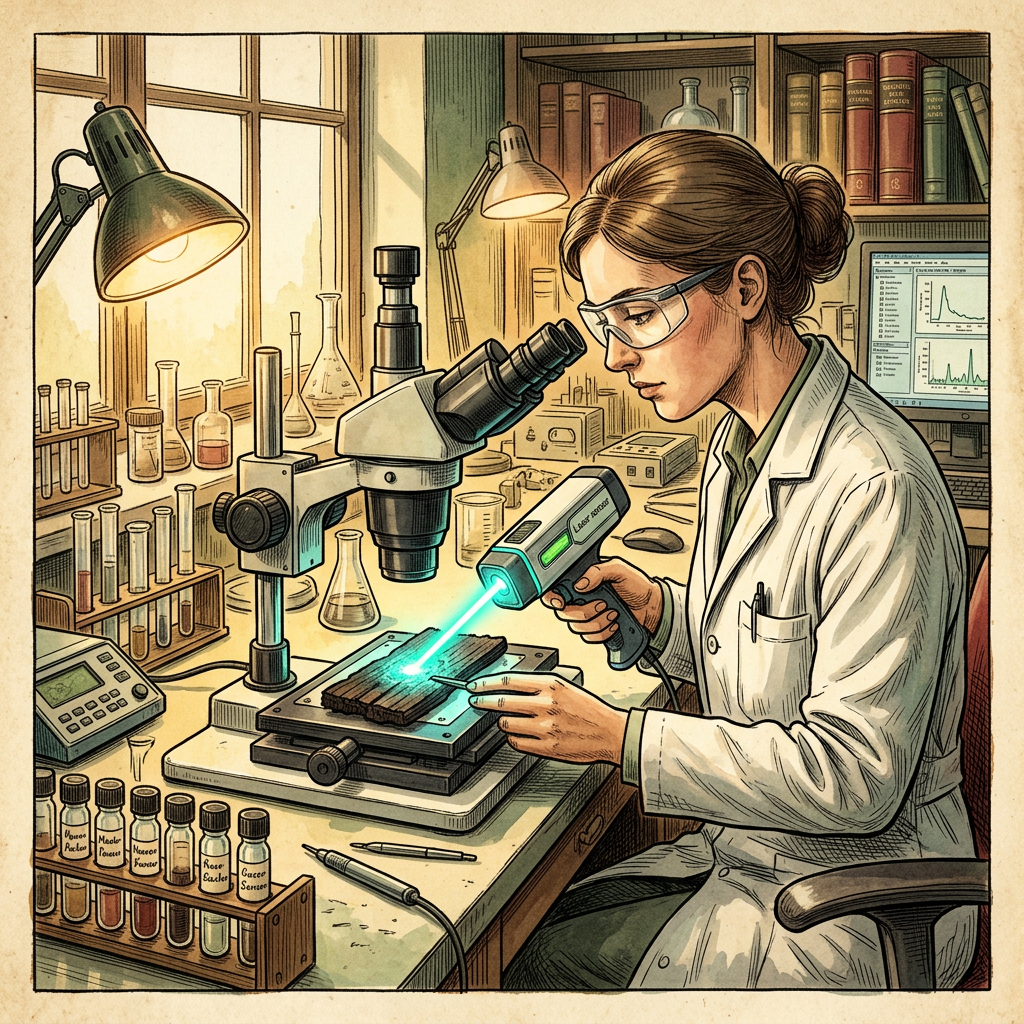
Archaeologists at the Journal of Archaeological Science have announced a breakthrough in dating technology. By applying Quantum-Sensing technology to the process of carbon-14 counting, they have achieved a dating precision within a 5-year margin. This new methodology was tested on organic remains from Neolithic settlements in the Yangtze River Delta, allowing researchers to track the expansion of rice-farming villages on a seasonal basis.
The precision provided by Quantum-Sensing allows for the first time a direct comparison between archaeological phases and short-term climatic events like extreme floods or droughts. This advance is set to revolutionize the study of early civilizations, enabling a sub-decadal look into how ancient societies responded to rapid environmental changes during the Neolithic period.