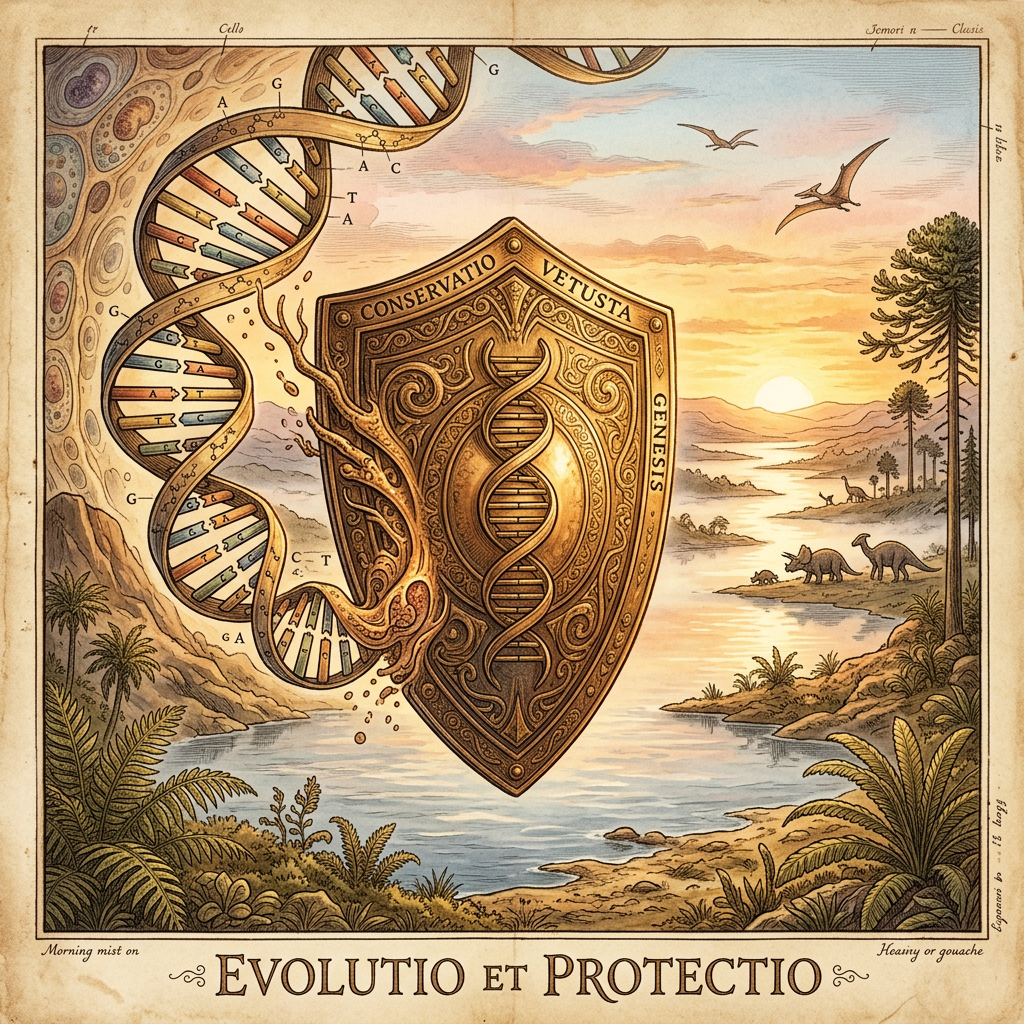
A new paleogenomic study has identified a unique genetic adaptation in 12,000-year-old remains from the Lake Victoria basin. Published in Paleogenomics Today, the research identifies the first known genetic markers for resistance to Trypanosoma brucei, the parasite responsible for human African trypanosomiasis, or sleeping sickness.
The analysis shows that these early hunter-gatherer populations developed specific immune system variants that provided a survival advantage in the parasite-rich wetlands of the African interior. This study provides a rare glimpse into the evolutionary arms race between ancient humans and tropical pathogens, demonstrating how local environments shaped the genetic diversity of early African populations before the advent of agriculture.