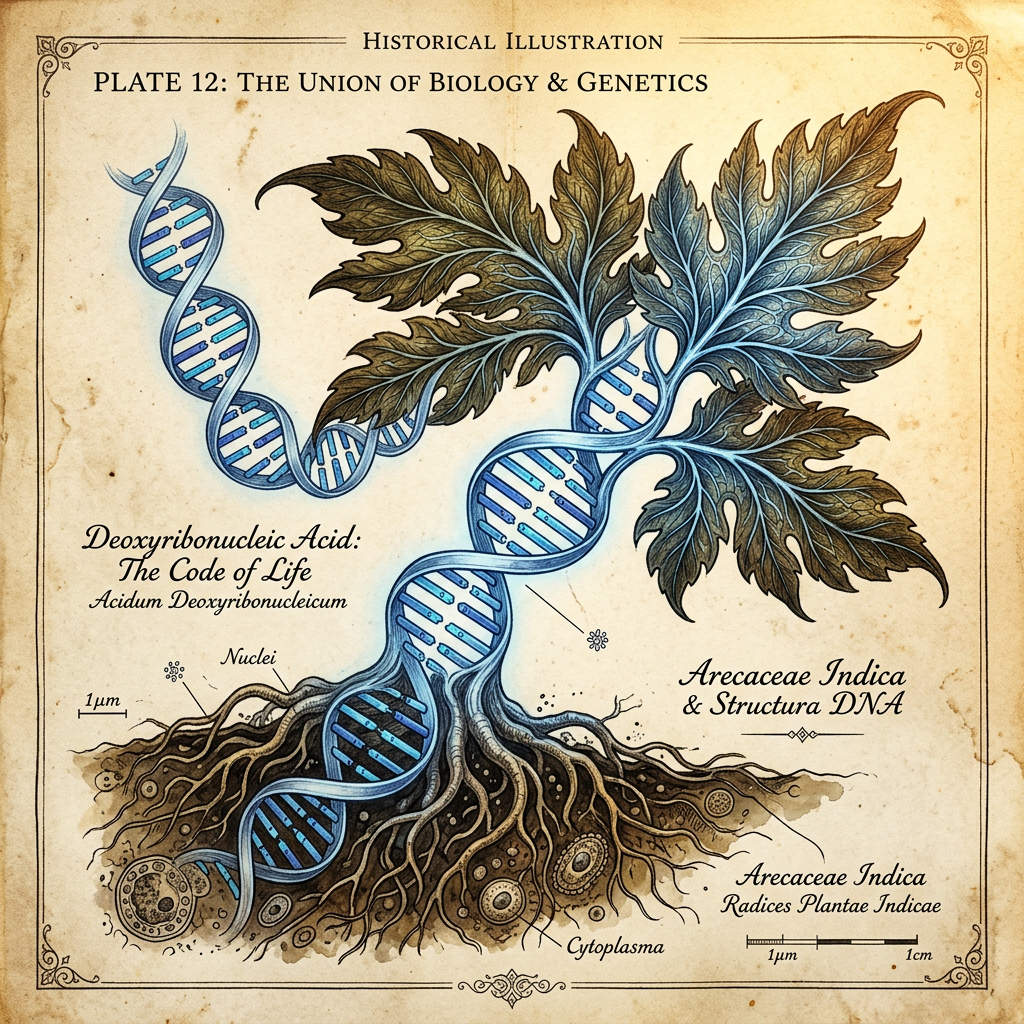
New paleogenomic research conducted on skeletal remains found in the Aravalli-Vindhya corridor has uncovered a unique genetic adaptation dating back 12,000 years. The study, published in Nature Genetics & Evolution, identifies specific mutations in the CYP2D6 gene cluster, which are associated with the metabolic processing of complex plant alkaloids found in local flora.
This finding suggests that early hunter-gatherer populations in central India developed specialized biological defenses against neurotoxic compounds present in endemic tubers and seeds. The discovery marks one of the earliest known examples of dietary genetic selection in South Asia, reflecting a long-term co-evolutionary process between human populations and the diverse botanical landscape of the Indian subcontinent.