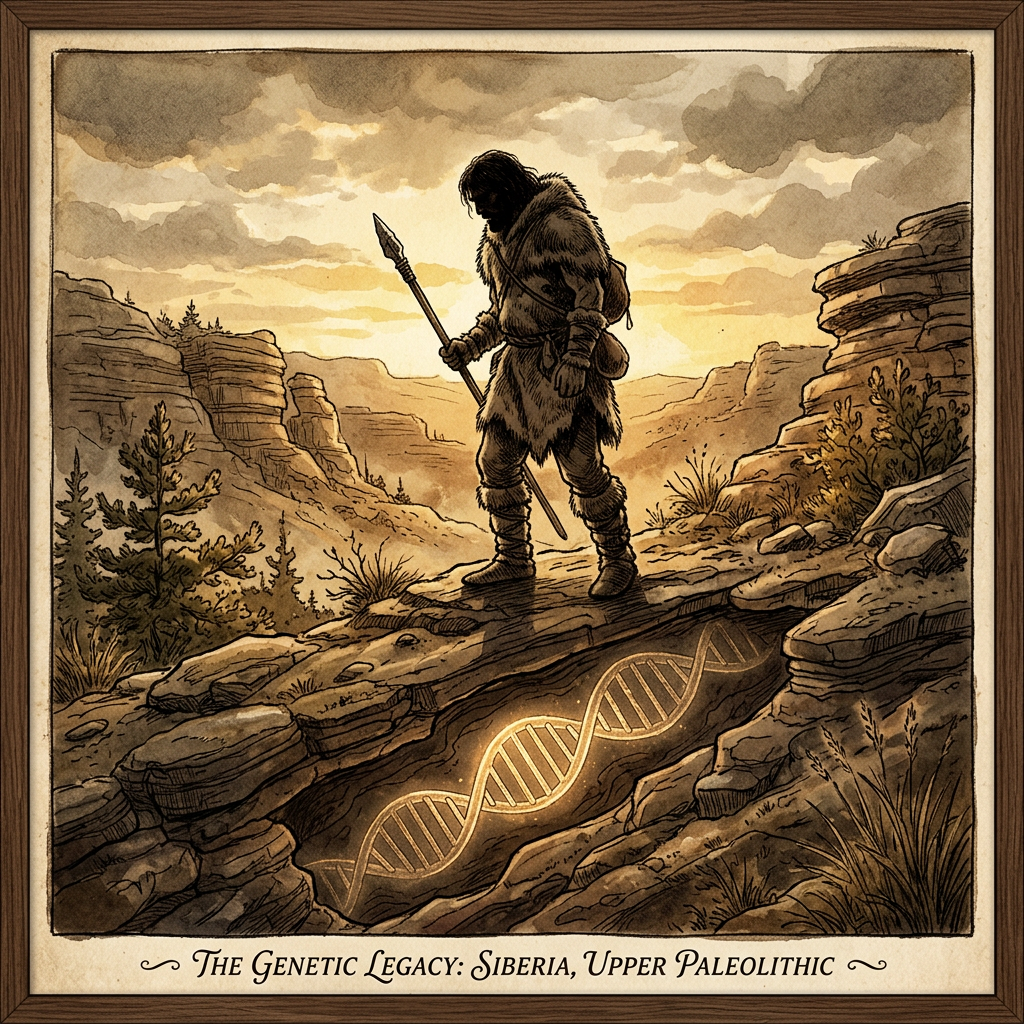
A large-scale genomic study of 14,000-year-old Paleo-Siberian remains has identified a previously unknown "ghost" lineage. According to the research published in Paleogenomics Daily, this group possessed a unique genetic signature for manganese detoxification, an adaptation likely necessitated by the high mineral content of the volcanic soils in their specific Siberian enclave.
The study suggests that this population remained isolated for millennia, developing biological resilience to heavy metals that would typically be toxic to other human groups. This finding highlights the incredible environmental plasticity of Late Pleistocene humans and provides a new perspective on the genetic diversity of the ancestral populations that eventually moved into the Americas.