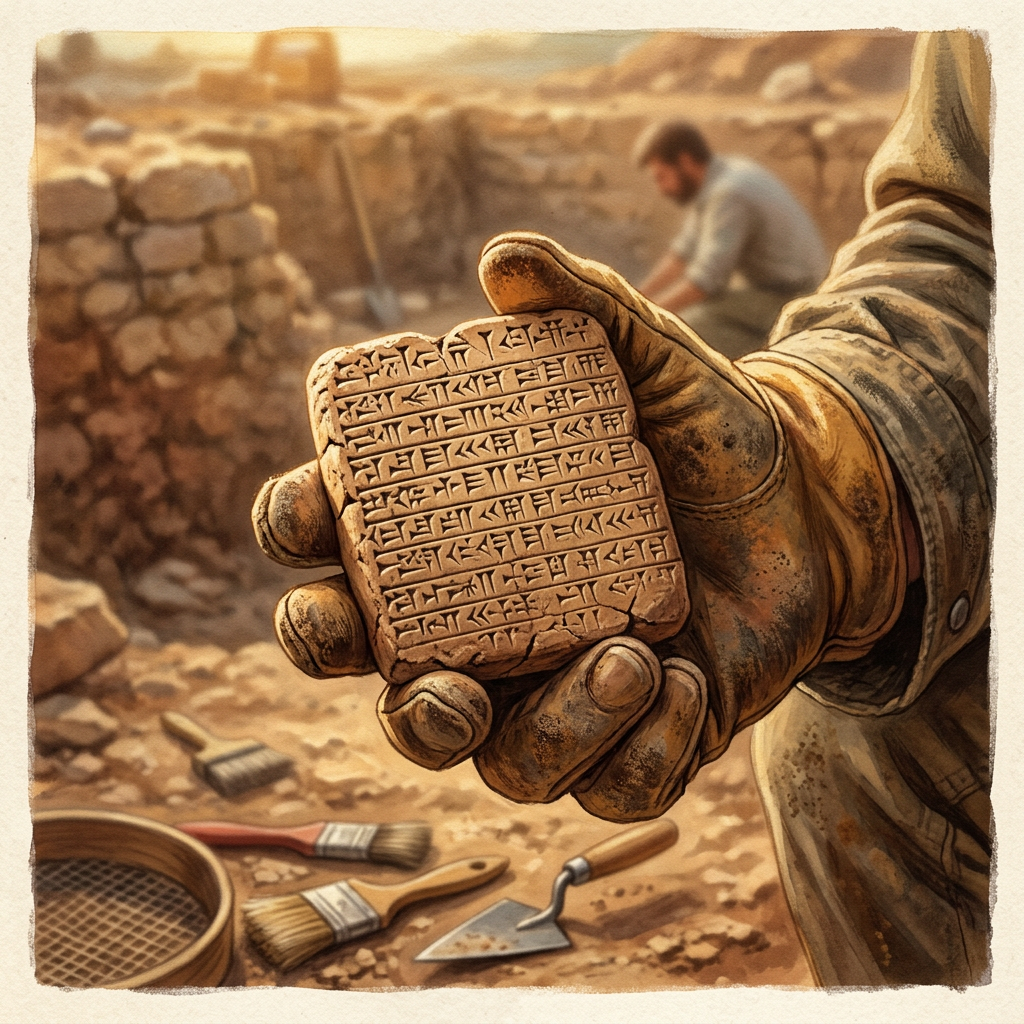
A joint international team of researchers has discovered a significant archive of Old Babylonian cuneiform tablets within a residential quarter of the ancient city of Ur. The documents, dating to approximately 1800 BCE, consist of legal contracts, inheritance deeds, and dowry registries that highlight the surprisingly robust property rights held by women in Mesopotamian society.
The tablets describe several instances of women owning land, managing independent business ventures, and initiating legal disputes over real estate. This find challenges long-held assumptions about the secondary status of women in urban Sumerian and Babylonian centers, suggesting a more complex and legally protected social role for female citizens in the early second millennium BCE.