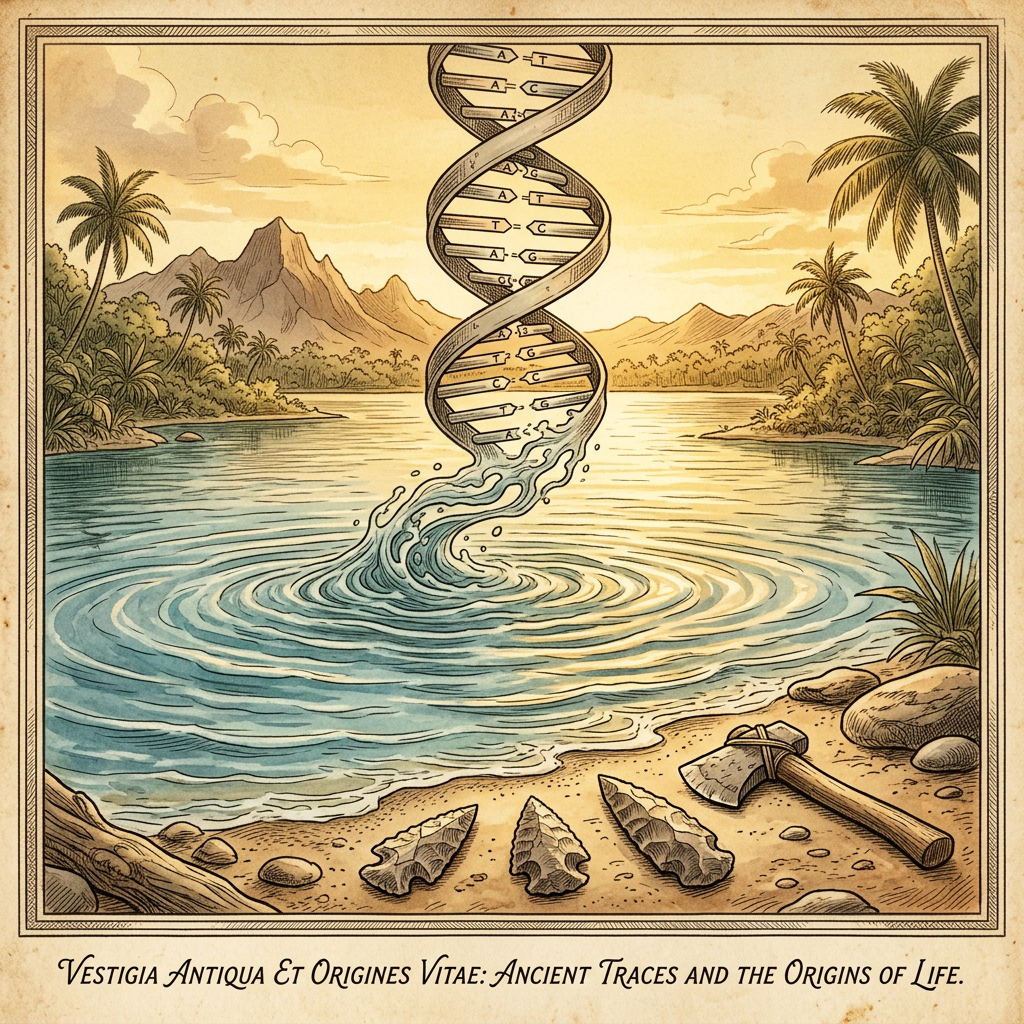
A breakthrough paleogenomic study published in Nature Genetics has successfully sequenced the DNA of early Holocene hunter-gatherers discovered near the shores of Lake Albert in the Nile Basin. The research identifies the earliest known genetic signature of adaptation to endemic schistosomiasis, a parasitic disease that has plagued human populations in the region for millennia. The findings suggest that these ancient foragers developed specific mutations in their immune-signaling pathways to mitigate the inflammatory damage caused by chronic trematode infections.
The study also reveals that this population represented a distinct 'Nilotic-Ghost' lineage that diverged from other East African groups approximately 18,000 years ago. This lineage appears to have remained isolated within the Great Lakes region, refining genetic resilience to lacustrine pathogens before eventually merging with expanding agro-pastoralist groups during the late Neolithic. This discovery provides a new temporal anchor for understanding the co-evolution of humans and parasitic pathogens in the African interior.