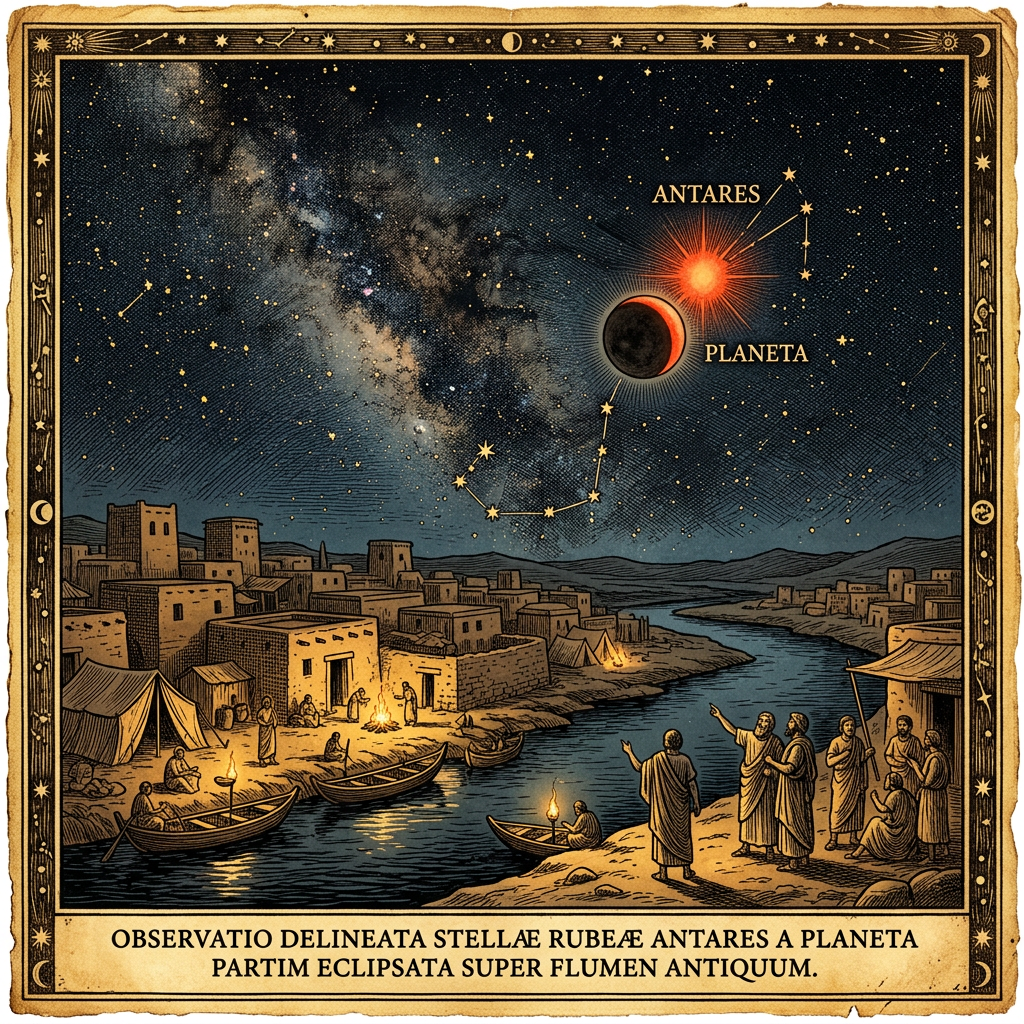
A multidisciplinary study published in the Heritage Science Journal has utilized sophisticated celestial mechanics software to validate astronomical observations recorded in the Rigveda. Researchers focused on specific ritual hymns that describe the 'red star' Antares (Jyeshtha) being 'obscured by the silver disk of the wanderer.' The computational model identified a rare sequence of planetary occultations by Venus and Mars that occurred precisely in the year 1650 BCE, as seen from the upper Saraswati-Ghaggar basin.
This correlation provides a robust anchor point for the internal chronology of Vedic literature, suggesting that these oral traditions were grounded in precise, long-term observational records. The study also highlights the use of a sidereal zodiac that accounted for the precession of the equinoxes with remarkable accuracy. By bridging the gap between archaeoastronomy and philology, the findings offer new evidence for the scientific maturity of late Bronze Age civilizations in the Indian subcontinent.