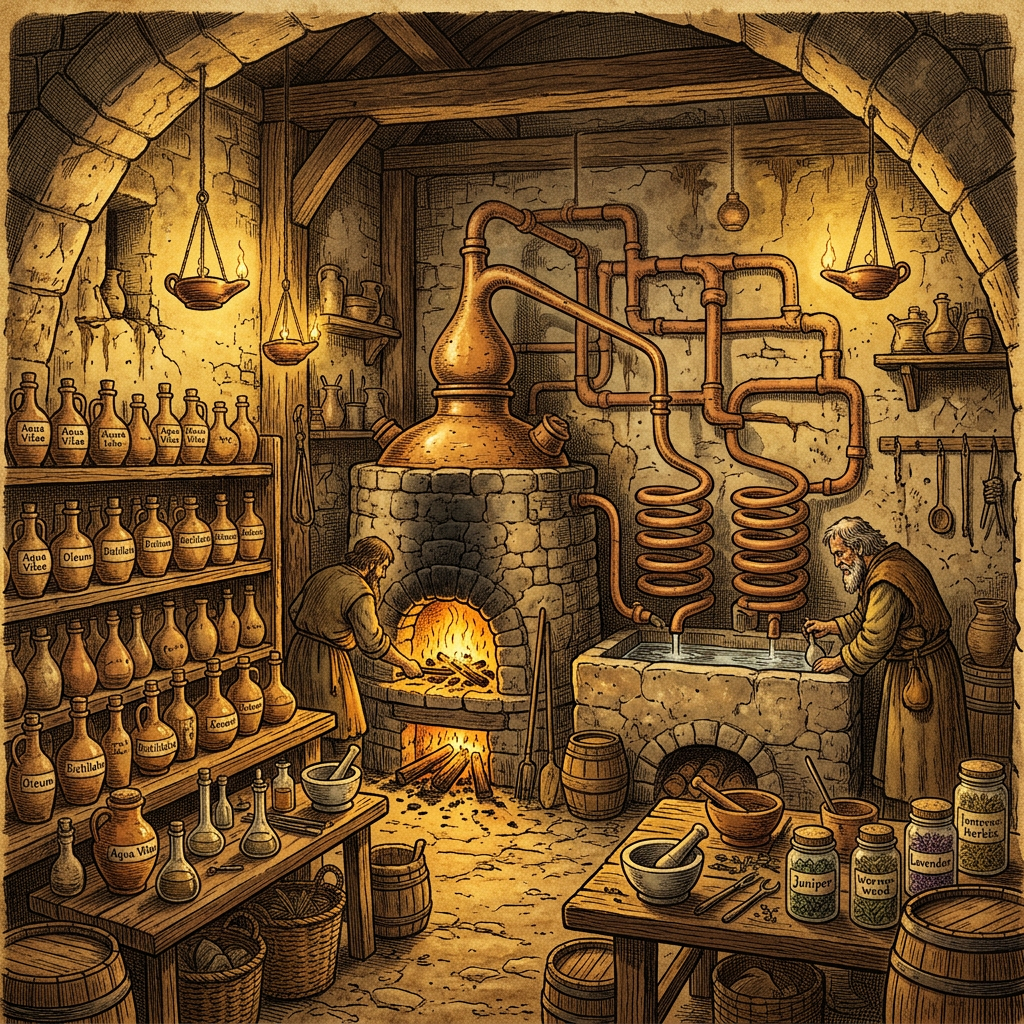
Excavations in the Fergana Valley of Uzbekistan have revealed a state-of-the-art medicinal laboratory dating to the Kushan Empire. The site features a sophisticated steam-distillation apparatus and over 150 sealed ceramic vials containing the chemical residues of ephedra, poppy, and various mountain herbs.
The find indicates that Silk Road trade was not merely for textiles and spices, but also involved the exchange of highly refined pharmaceutical products. The laboratory’s design suggests a crossover between Greek alchemical techniques and local Central Asian herbal traditions.