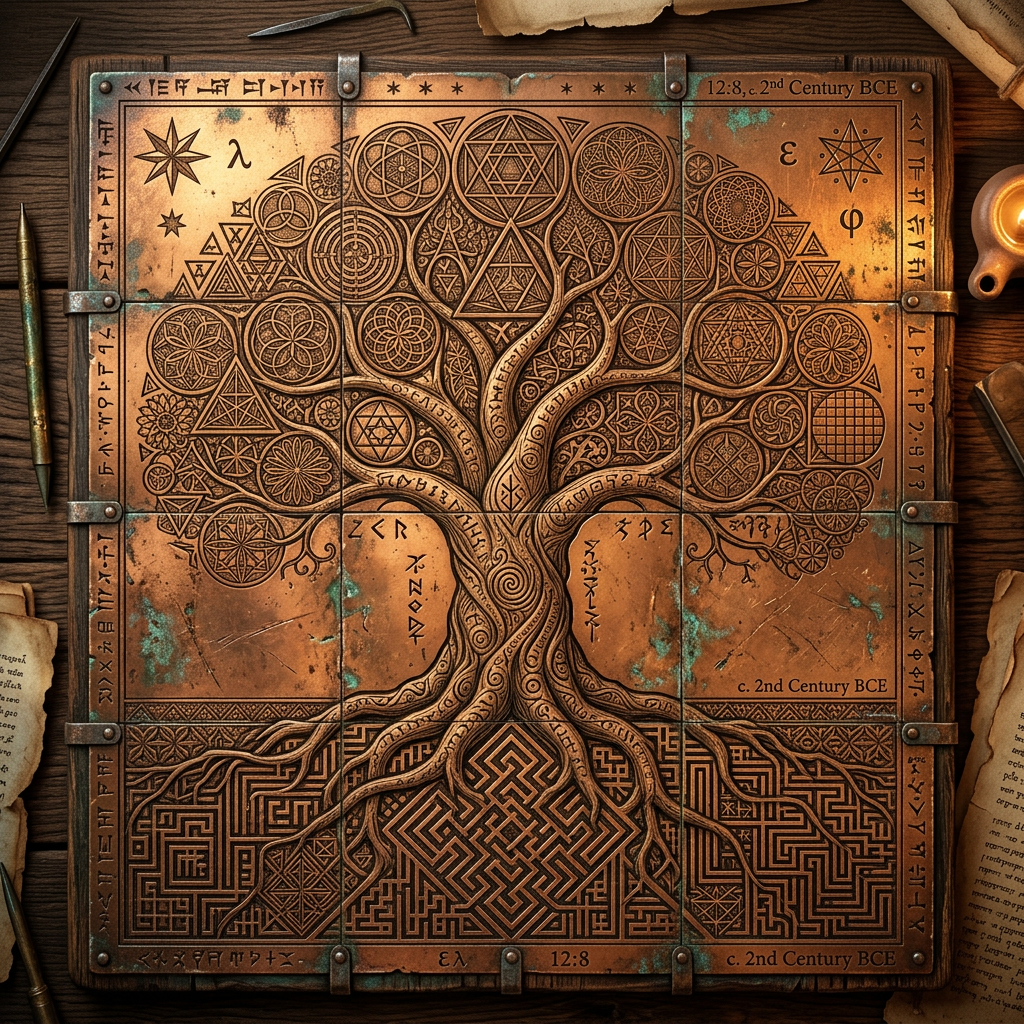
Researchers at the Anuradhapura Archaeological Site have unveiled a set of 11th-century copper plates that describe a unique Bodhi-Vriksha philosophy. Unlike standard Buddhist texts, these plates present a Vedic-inspired synthesis that treats the tree not just as a symbol of enlightenment, but as a living syllogism of the Brahman. The text details a 'biocentric logic' where the growth of branches represents the expansion of philosophical inquiry.
The inscriptions outline a social code known as Vriksha-Dharma, which mandates the protection of ancient trees as repositories of ancestral wisdom. This find is significant for heritage researchers as it demonstrates a shared philosophical substrate between Sanatan Dharma and early Sri Lankan thought, focusing on the ethical reciprocity between human cognition and the natural world.