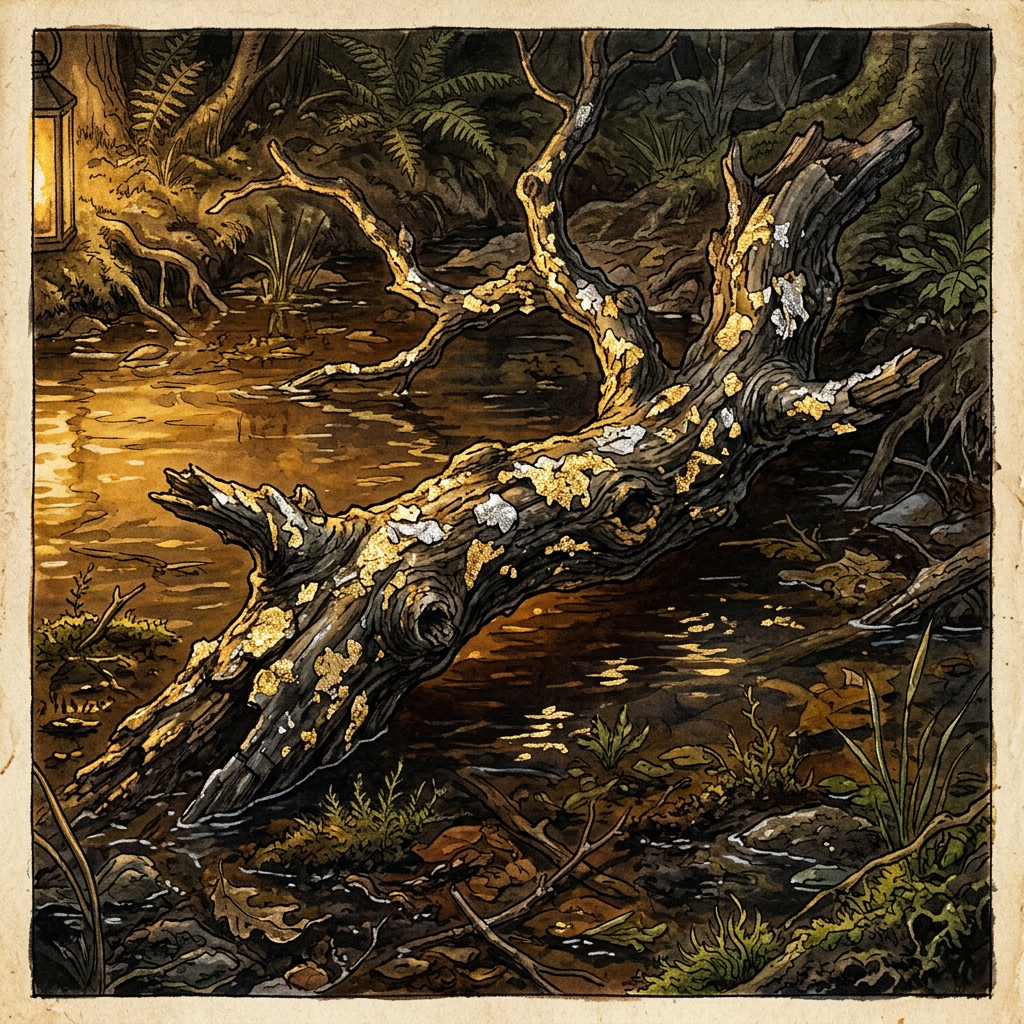
In the marshlands of the Auvergne region, French archaeologists have made a startling discovery: a collection of oak branches that were meticulously gilded with thin sheets of electrum, a natural alloy of gold and silver. Dated to approximately 50 BCE, these "golden boughs" were deposited in a ceremonial bog as part of a pre-Roman spring awakening festival. The level of craftsmanship suggests a highly organized ritual effort to simulate the sun's return through metallic reflection.
Anthropologists suggest these findings may represent the ancient roots of certain regional Carnival traditions that still feature the carrying of decorated branches. By gilding the oak—a sacred tree in Celtic mythology—ancient Gauls created a permanent symbol of the 'returning light' to be carried through villages before being sacrificed to the waters. This discovery highlights the continuity of European seasonal heritage across two millennia.