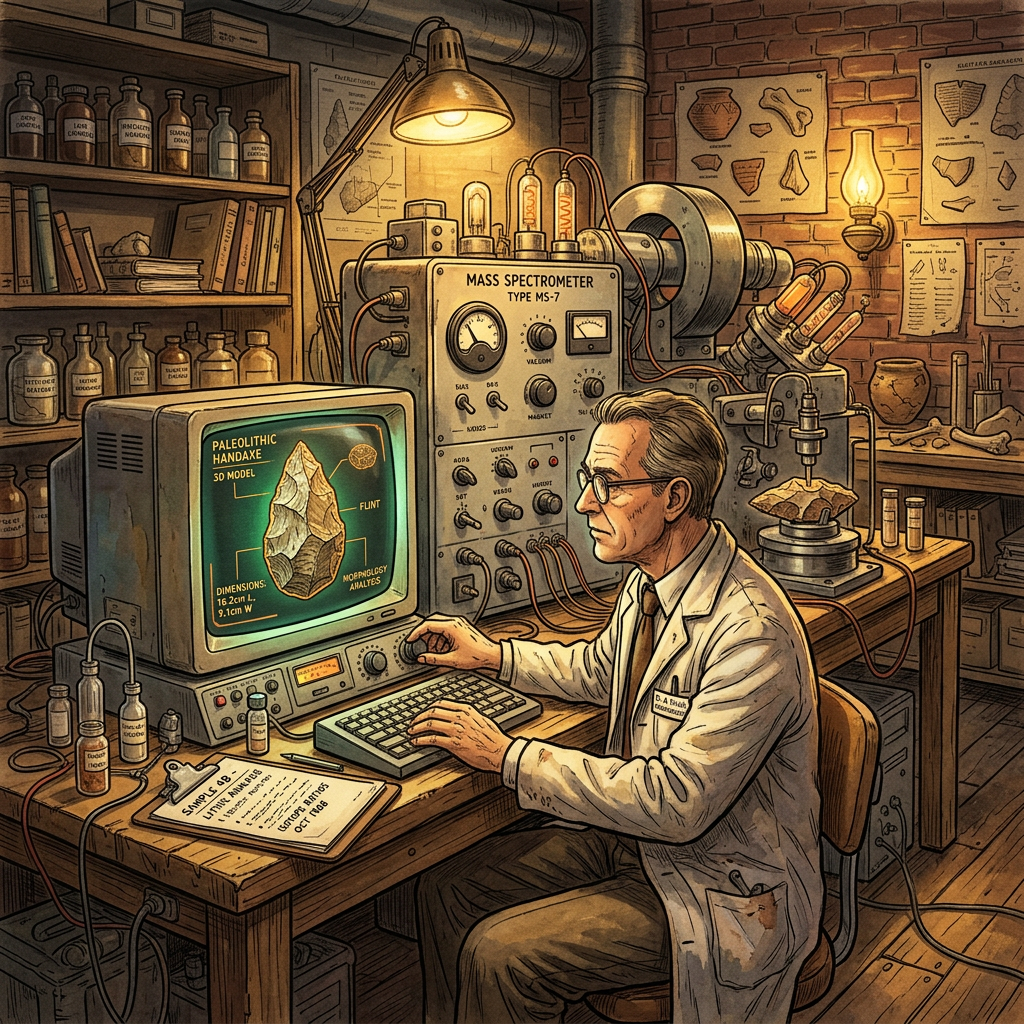
A new geochronological study has introduced a refined double-isotope dating methodology to analyze stalagmite layers overlying stone tool assemblages in France. This technique provides a much higher resolution for the transition between Neanderthal and modern human technologies, narrowing the window of overlap to less than a millennium in specific cave sites.
The precision of this method allows researchers to correlate specific tool innovations with rapid climatic fluctuations recorded in nearby ice cores. By providing sub-centennial accuracy, the Thorium-Uranium refinement is expected to resolve long-standing debates regarding the pace of cultural replacement in Western Europe during the Middle-to-Upper Paleolithic transition.