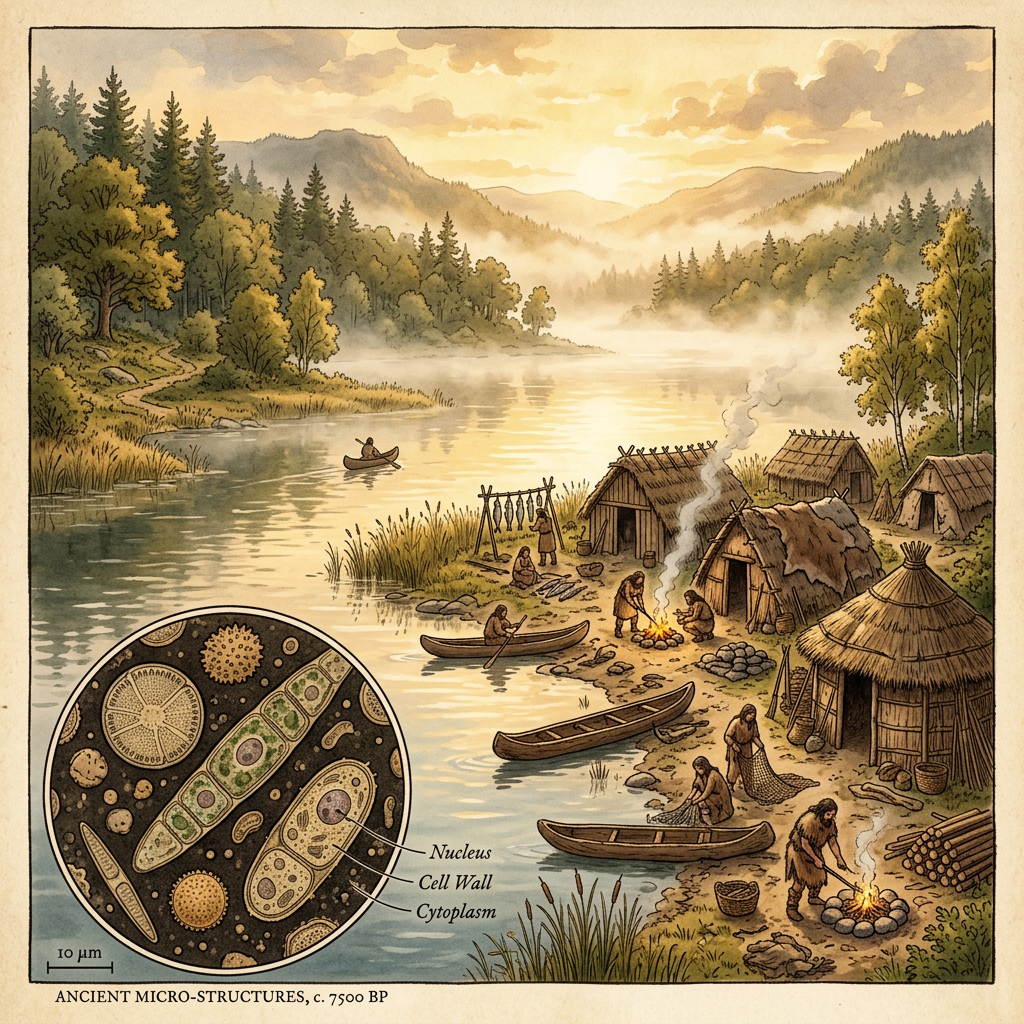
A paleogenetic study of Mesolithic hunter-gatherer remains from the Ladoga region has identified a specific cluster of alleles associated with innate immunity against water-borne parasites. The research, published in Cell Reports, suggests that early human populations living in high-density lake environments underwent rapid localized selection for disease resilience.
This finding shifts the understanding of how environment-specific pathogens shaped the human genome long before the advent of large-scale agriculture. The identified markers provide new insights into the evolutionary history of the human immune system and its adaptation to the unique biological pressures of the post-glacial northern forests.