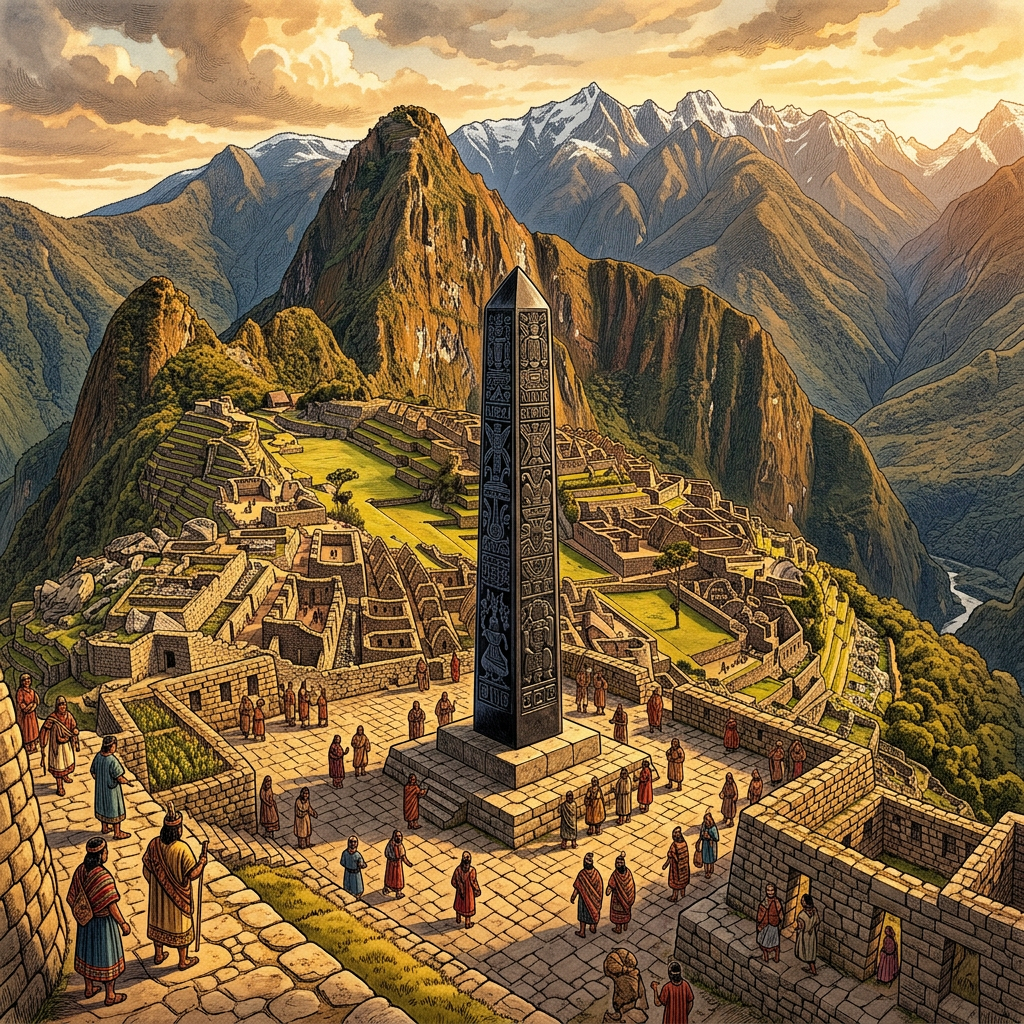
A research team utilizing satellite thermography has identified a hidden 15th-century Inca fortress in a remote sector of the Sacred Valley. The site, known as Puma Ranra, was specifically designed for astronomical tracking. Excavators discovered a central plaza containing three intact obsidian sun-dials, which were used to monitor the winter solstice and synchronize the empire's agricultural calendar.
The fortress served as a dual-purpose administrative hub and ceremonial center. Its architecture incorporates massive stone blocks that are perfectly aligned with the rising sun on key celestial dates. This discovery emphasizes the Inca's deep integration of astronomy into their military and agricultural logistics, proving that their mountain citadels were as much scientific laboratories as they were defensive structures.