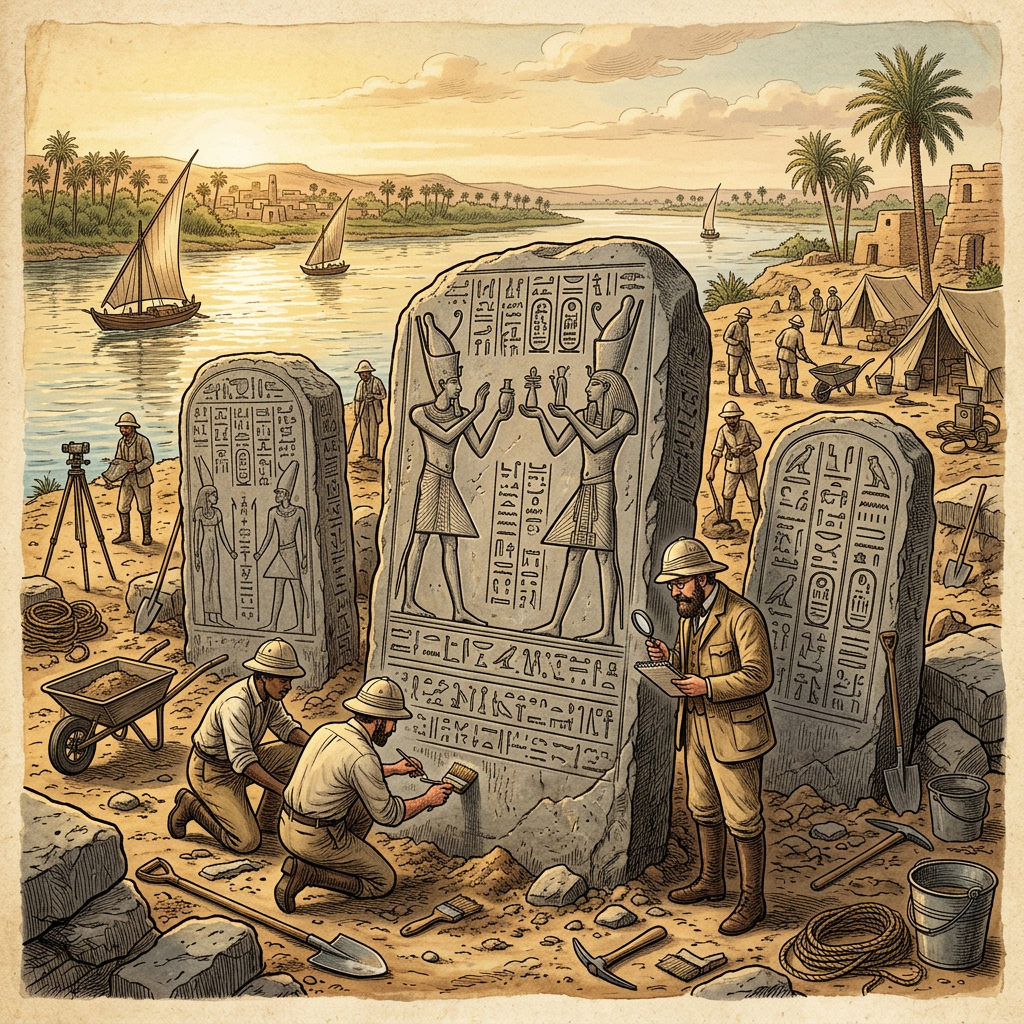
Excavations along the banks of the Son River have revealed a set of stone tablets dating to the 6th century BCE, inscribed with the 'Kshama-Vrata' or the 'Code of Forbearance.' These tablets provide a rare glimpse into early ethical frameworks regarding conflict resolution and the philosophical value of forgiveness as a form of spiritual strength (Bala).
The inscriptions detail a series of philosophical arguments for why restraint is superior to retribution, linking the practice of Kshama (patience/forgiveness) to the stabilization of the 'social mind.' Scholars believe this text represents an early precursor to the more formalized non-violence (Ahimsa) doctrines that would later dominate Indian thought.