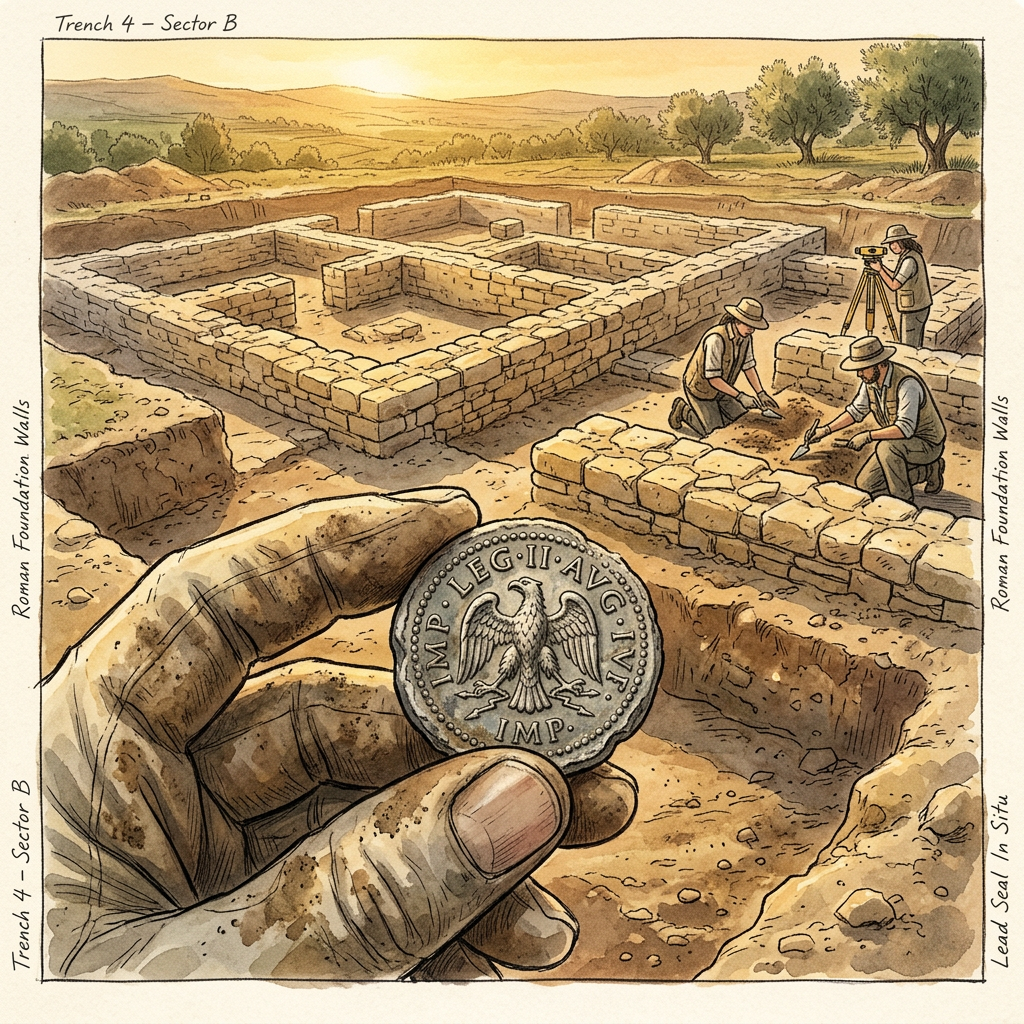
Excavations in the French city of Nîmes have revealed a specialized Roman logistics center that managed the distribution of Egyptian papyrus throughout the northern provinces. The building features unique climate-controlled storage rooms with double-walled stone insulation to protect the delicate scrolls from the damp European climate. Archaeologists found over 50 lead seals stamped with the imperial insignia, used to certify the quality and origin of the imported writing material.
This hub proves the existence of a highly organized bureaucratic supply chain that maintained the flow of information across the Roman Empire. While the papyrus itself has mostly perished, the structural remains and the surviving lead seals allow researchers to reconstruct the trade routes connecting the Nile Delta to the heart of Gaul. The site also includes a small scriptorium where imperial edicts were copied for local distribution.