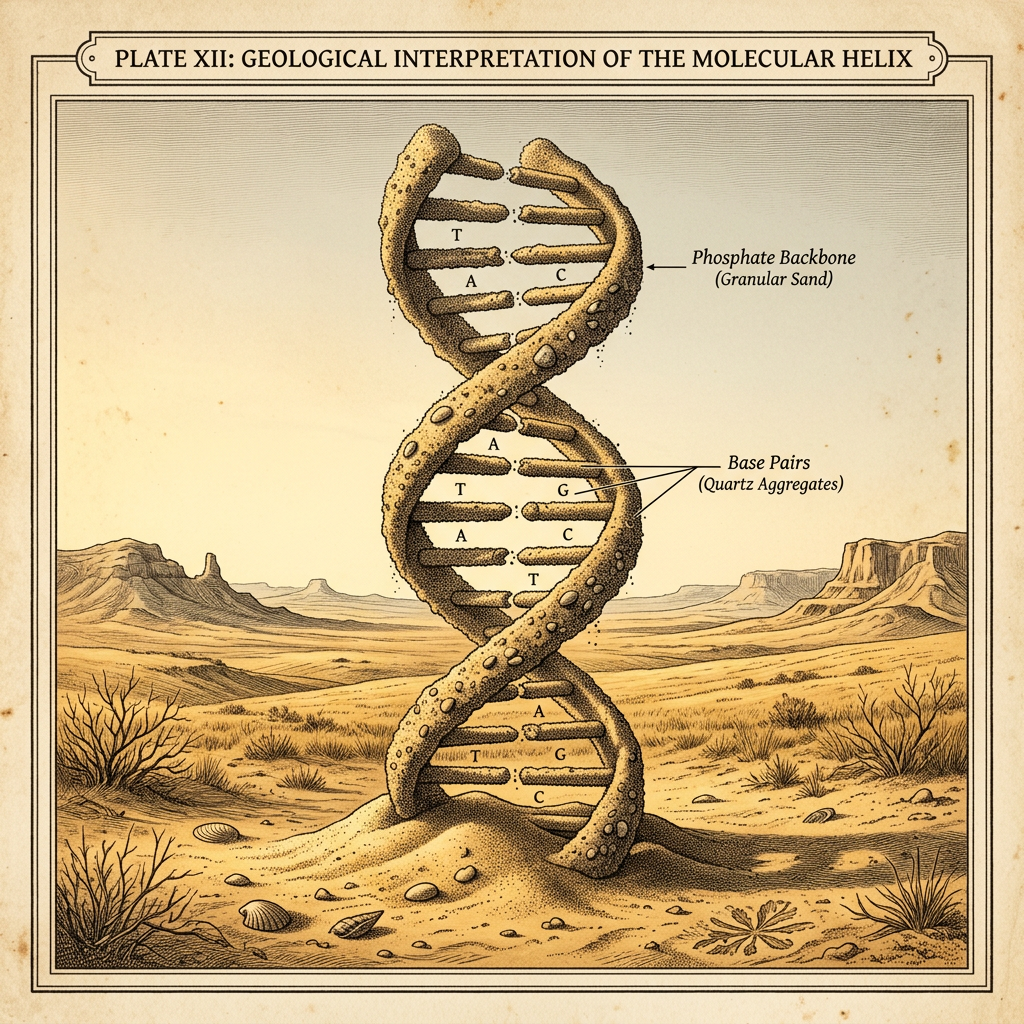
In a paper published in Anthropological Genetics Today, scientists have sequenced the genome of a 10,000-year-old individual from the North American Great Plains. The study identifies specific genetic markers associated with metabolic resilience to rapid environmental shifts, particularly multi-decade aridity pulses that characterized the early Holocene.
The data suggests that these early populations underwent rapid selective pressure, developing physiological adaptations to conserve water and survive on low-moisture diets. This genetic signature provides new evidence for the evolutionary flexibility of early North American settlers as they navigated the volatile climatic landscape following the retreat of the glaciers.