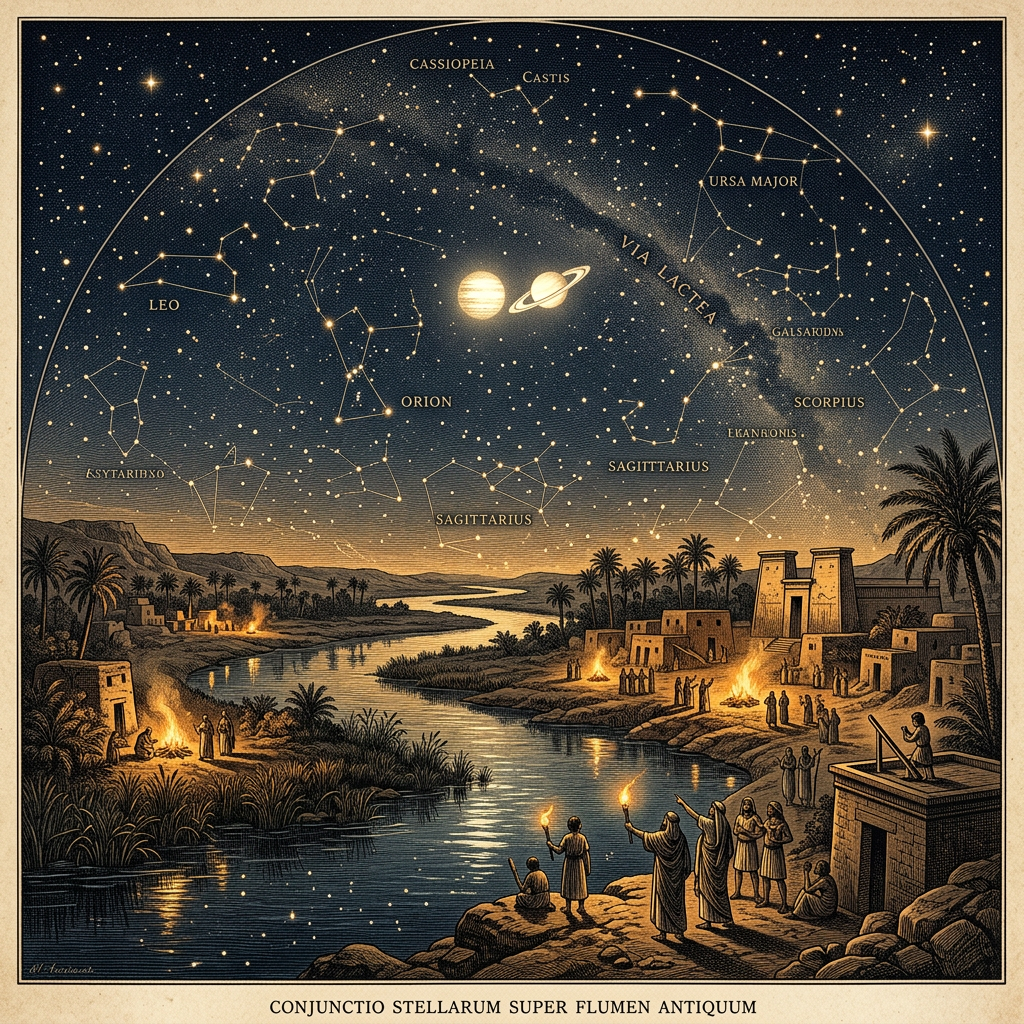
A multidisciplinary study published in the Archaeoastronomy Journal has utilized high-resolution celestial simulations to correlate specific descriptions in the Rigveda with a rare astronomical event. The researchers found that a sequence of hymns precisely describes the relative positions of Mars and Venus during a great conjunction that occurred in 1850 BCE, visible from the Saraswati-Drishadvati river basin.
The alignment described matches the observational perspective of the time, including the atmospheric shimmering effects noted in the Sanskrit verses. This research provides a critical chronological anchor for the mid-Vedic period and highlights the continuity of systematic celestial monitoring in ancient Indian scientific tradition over thousands of years.