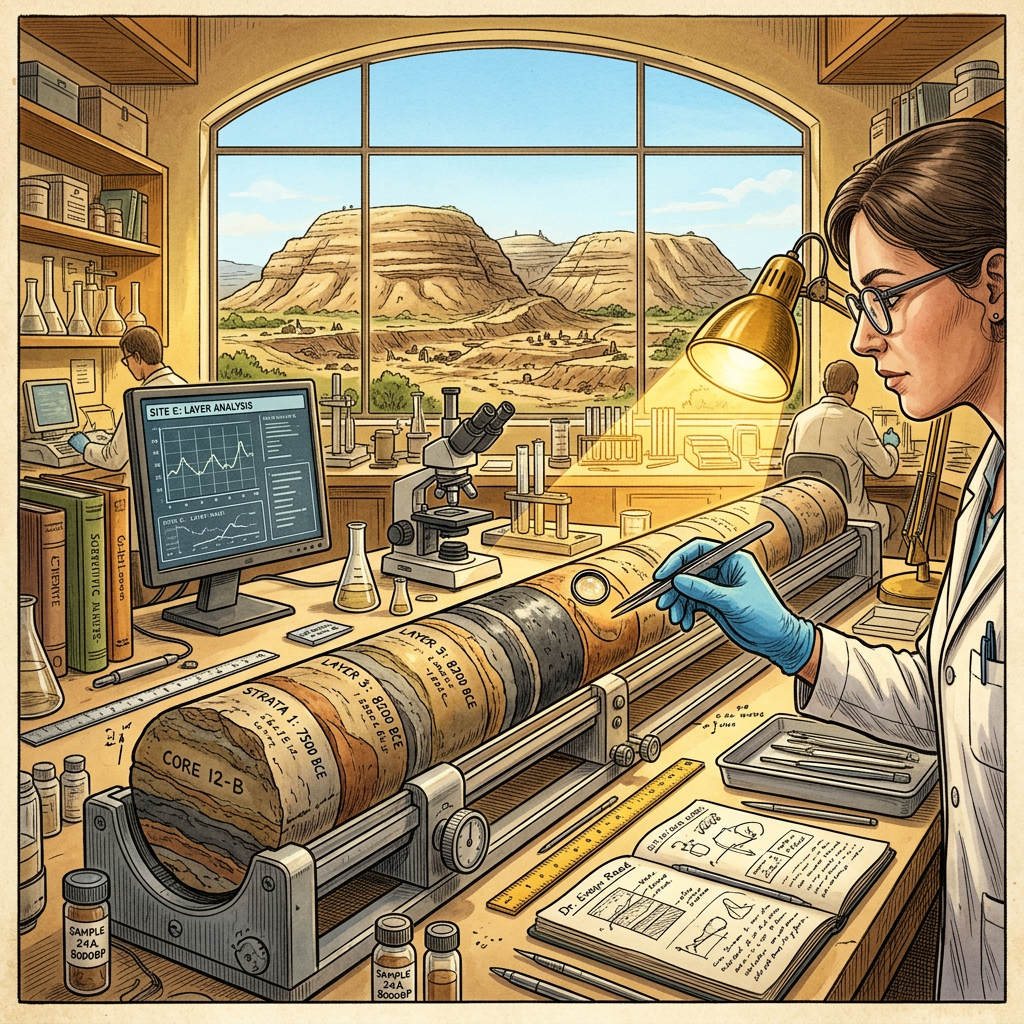
Geochemists at the Indian Institute of Science have successfully applied a novel Neon-21 and Chlorine-36 cross-calibration dating technique to the famous Neolithic ashmounds of the Tungabhadra Basin. The results, published in Radiocarbon, suggest that the transition to sedentary agro-pastoralism in Southern India occurred nearly 800 years earlier than previous estimates, with the earliest ritual ashmounds now dated to 3800 BCE.
This refined chronology provides a new context for the development of the Southern Neolithic, suggesting it was an independent center of social and technological complexity. The researchers argue that the early dates indicate a highly organized community life that utilized controlled fire rituals and specialized cattle rearing as the foundation for their social structure long before the rise of the Mature Harappan period.